A man dreamed that, being at the Isthmus, he was looking for his own son. His son was lost, because of the story of Melicertes.
Passage Book V
2 readings from 2 sources.
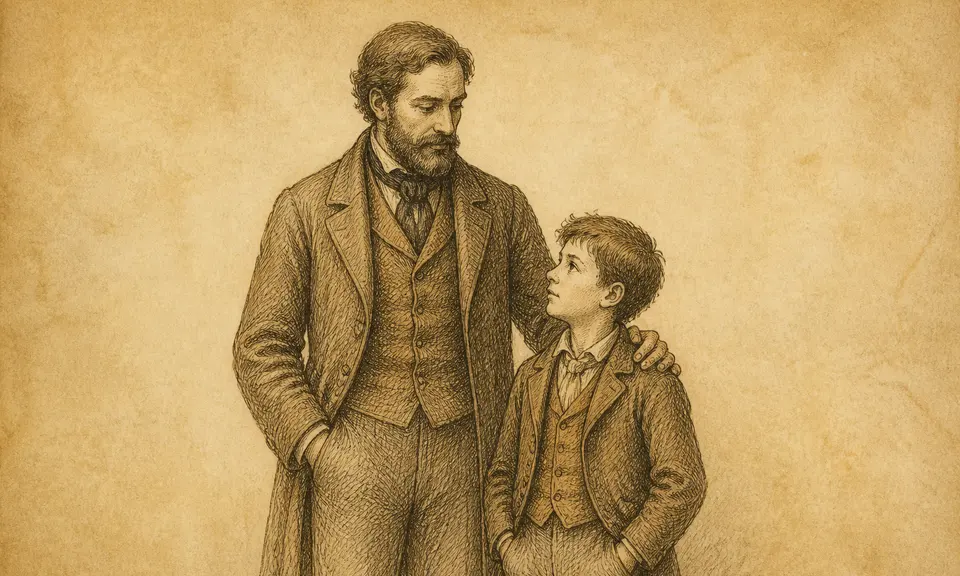
Artemidorus has one case of the son and fits its reading into four words. A man dreamed that, being at the Isthmus, he was looking for his own son; his son was lost, because of the story of Melicertes. Why that story means a lost child the reader does not learn in this reading — he gets the outcome and a pointer to a tale, and nothing more. Miller has no case but a whole range, and in it the son's condition decides: a son handsome and dutiful foretells proud satisfaction and an aspiring to high honors; a son maimed or suffering from illness or accident means trouble ahead; and a mother who dreams her son has fallen to the bottom of a well and hears cries is shown deep grief, losses and sickness — but if she rescues him, the threatened danger will pass away unexpectedly. The two books say two different kinds of thing about the same child: the Greek one dream that has already come out, the American a list of possibilities in which even the worst can still be turned aside.
This paragraph was generated by a model. It sums up the sources above, comes from none of them and is attributed to no one.
A man dreamed that, being at the Isthmus, he was looking for his own son. His son was lost, because of the story of Melicertes.
Passage Book V
To dream of your son, if you have one, as being handsome and dutiful, foretells that he will afford you proud satisfaction, and will aspire to high honors. If he is maimed, or suffering from illness or accident, there is trouble ahead for you. For a mother to dream that her son has fallen to the bottom of a well, and she hears cries, it is a sign of deep grief, losses and sickness. If she rescues him, threatened danger will pass away unexpectedly.