Gnats and what are called midges and anything else like them mean that wicked men will come about the dreamer, men who show him harm and shout him down besides.
Passage Book III, 8
5 readings from 3 sources.
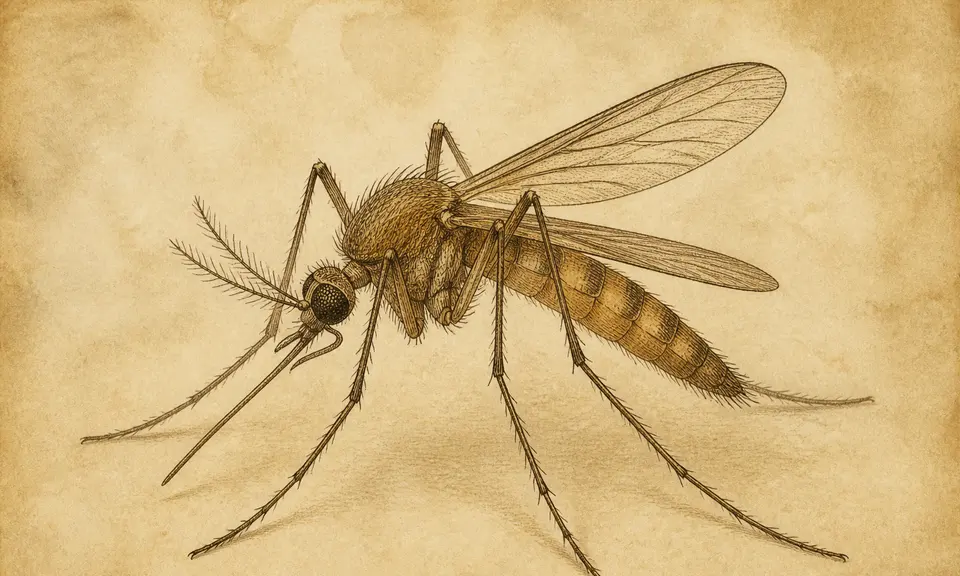
Miller reads the mosquito as a secret enemy: seeing them means striving in vain against sly attacks, with patience and fortune both suffering, and killing them means overcoming the obstacles in the end. Artemidorus reads the swarm as people: gnats and midges and anything like them mean that wicked men will come about the dreamer, men who show him harm and shout him down besides — and to tavern-keepers and wine merchants they foretell that the wine will turn to vinegar, because they delight in vinegar. an-Nabulsi starts harder — an enemy who sheds blood and disfigures the body — and then turns the insect over on its name. The Arabic word for mosquito is also one of the words for honour and inviolability, nāmūs, so the same dream can mean great standing for the man whom men of rank come in to see. One book has a pest at the ear all night; the other has the word that pest shares with a man's good name.
This paragraph was generated by a model. It sums up the sources above, comes from none of them and is attributed to no one.
Gnats and what are called midges and anything else like them mean that wicked men will come about the dreamer, men who show him harm and shout him down besides.
Passage Book III, 8
To tavern-keepers and wine merchants they foretell that the wine will turn to vinegar, for they delight in vinegar.
Passage Book III, 8
It is in a dream an enemy who sheds blood and disfigures the body. And perhaps it points to honour and to inviolability, and to great might for the man upon whom the men of rank come in — for nāmūs, the word for honour, is one of its names.
Section letter ba
Whoever saw it in a dream attained wealth, and that is for the coming out of the blood.
Section letter nun
To see mosquitoes in your dreams, you will strive in vain to remain impregnable to the sly attacks of secret enemies. Your patience and fortune will both suffer from these designing persons. If you kill mosquitoes, you will eventually overcome obstacles and enjoy fortune and domestic bliss.