To tell lies is of use to no one except those who go up on the stage and mountebanks and those whose custom it is to lie.
Passage Book III, 4
4 readings from 3 sources.
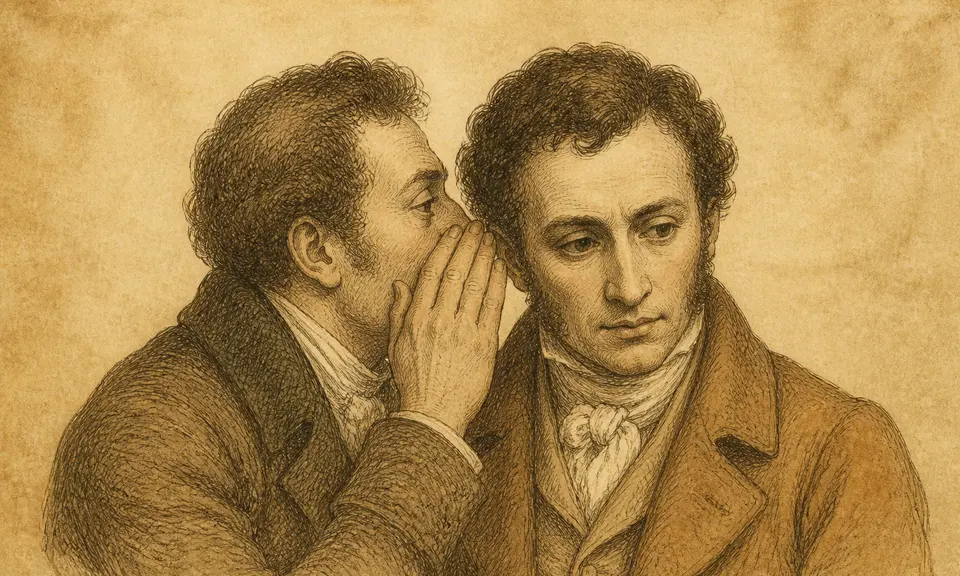
Miller reads the liar's motive. Lying to escape punishment means the dreamer will act dishonourably towards some innocent person; lying to protect a friend from undeserved chastisement means many unjust criticisms of his conduct, which he will rise above to enjoy prominence; and hearing others lie means they are seeking to entrap him. Artemidorus reads the lie by the trade of the liar and by whom it is told to: telling lies is of use to no one except those who go up on the stage and mountebanks and those whose custom it is to lie — and it is less bad to lie to strangers than to one’s own people, for to these it means great misfortunes, even if a man dreams he is lying about small matters. an-Nabulsi starts from scripture — lying points to false witness, to fabrication and to the absence of success, on the verse that those who fabricate the lie against God do not succeed — and then stops reading the liar and starts reading the lie's traffic. It may point to babbling in speech, spread out from a ready wit and a striking thought; and if someone heard his word and passed it on, it was transmitted from him and he became renowned, and his error was more than his rightness. Miller and an-Nabulsi meet where neither of them is trying to: a lie, in Indiana as in Damascus, can carry the man who told it up into prominence.
This paragraph was generated by a model. It sums up the sources above, comes from none of them and is attributed to no one.
To tell lies is of use to no one except those who go up on the stage and mountebanks and those whose custom it is to lie.
Passage Book III, 4
It is less bad to lie to strangers than to one's own people; for to these it means great misfortunes, even if a man dreams he is lying about small matters.
Passage Book III, 4
It in a dream points to false witness and to fabrication and to the absence of success, for His saying, the Most High: {Truly those who fabricate the lie against God do not succeed}. And perhaps lying points to babbling in speech and to his spreading it out from a ready wit and a striking thought. So if someone heard his word and passed it on, it was transmitted from him and he became renowned, and his error was more than his rightness.
Section letter kaf
To dream that you are lying to escape punishment, denotes that you will act dishonorably towards some innocent person. Lying to protect a friend from undeserved chastisement, denotes that you will have many unjust criticisms passed upon your conduct, but you will rise above them and enjoy prominence. To hear others lying, denotes that they are seeking to entrap you.