Fear

4 readings from 2 sources.

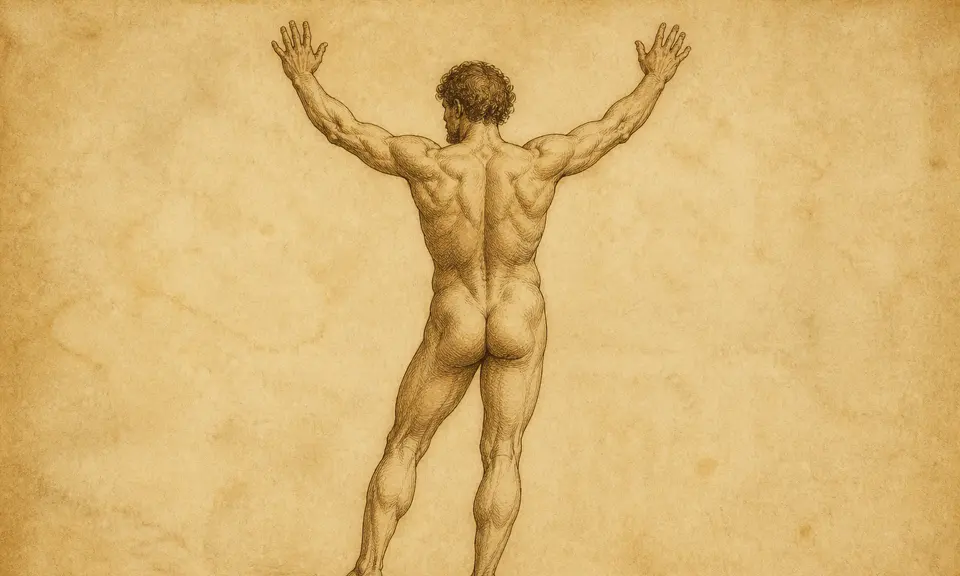
The image was generated by a model. It is not a period engraving and comes from none of the sources.

Four readings, two books, and the two books read the same dream in opposite directions. Miller takes the feeling as a forecast of the waking outcome: fear from any cause means engagements that will not prove as successful as was expected, and for a young woman disappointment and unfortunate love; and under the other word he makes it smaller still, temporary and fleeting worries. an-Nabulsi turns it over, and he does it twice. In a dream fear is safety, and it points to repentance, because every man who fears is a repentant one; and fright in a dream is gladness — though he sets the other reading beside it, that it is evil and corruption out of wrongs the dreamer has committed. His two hardest cases stand at the ends of that reading: a man who dies of fright in a dream becomes poor and keeps what belongs to others, and fright is safety above all when it is fear of a man or of one’s own neglect, by the verse promising that the greatest terror will not grieve them. So the English book reads the feeling as a warning about what is coming, and the Arabic one as a sign of where the dreamer already stands — and says it twice, under two words, which is as near as this corpus comes to a book insisting.

This paragraph was generated by a model. It sums up the sources above, comes from none of them and is attributed to no one.

Arabic dream book

It is safety in a dream, and fear points to repentance, for every man who fears is a repentant one. And whoever sees as if he is afraid and fleeing from the fear comes by leadership. And whoever sees that he waits for the fear fights. And whoever sees in his sleep that he is afraid and a speaker says to him, do not fear, for you will not die and you will not be able to live — then he goes blind. And whoever sees that he was made to fear by God and does not fear — then the one made to fear comes by safety and a name, and the one who makes him fear comes by disgrace and harm.

Section letter kha

It is in a dream gladness; and it is said it is evil and corruption out of wrongs he has committed. And whoever sees that he died of fright becomes poor and does not deliver to people what is theirs. And fright is safety, especially if it was fear of a man or of his own neglect, by His word, exalted be He: “the greatest terror shall not grieve them”.

Section letter fa

The Perfuming of Mankind in the Interpretation of Dreams

Abd al-Ghani al-Nabulsi

before 1731; first printed Cairo 1858 · Arab-Islamic

carries the ancient tradition after Artemidorus

About this source

An Arabic dream book by the Damascene scholar al-Nabulsi, an alphabetical dictionary of two and a half thousand headwords. It draws on the ancient tradition directly: Artemidorus was translated into Arabic by Hunayn ibn Ishaq in the ninth century. The readings here almost always address the dreamer’s standing, property and faith rather than their feelings.

Rights: public domain

Where the text is from: https://shamela.ws/book/1217

Miller

To dream that you feel fear from any cause, denotes that your future engagements will not prove so successful as was expected. For a young woman, this dream forebodes disappointment and unfortunate love.

To dream that you are frightened at anything, denotes temporary and fleeting worries. See Affrighted.

Ten Thousand Dreams Interpreted; Or, What's in a Dream

Gustavus Hindman Miller

1901 · American Victorian

carries fragments of the ancient tradition without its system

About this source

An American dream book, the only one here that knows the telephone, the railroad or the elevator. Doctrinally it is the most degraded: it keeps fragments of the ancient tradition without the system that once held them together.

Rights: public domain

Where the text is from: https://www.gutenberg.org/ebooks/926