I know a man who dreamed that a little daughter had been born to him. He took out a loan.
Passage Book I, 14
4 readings from 2 sources.
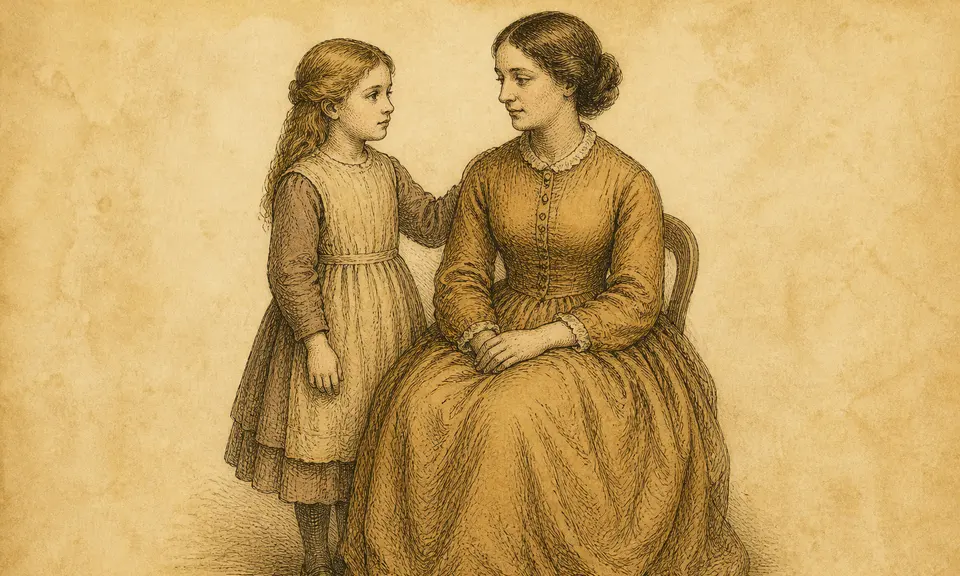
Artemidorus has two cases of the daughter and both are about money, and together they make a pair. One man dreamed that a little daughter had been born to him — he took out a loan. Another dreamed that he was burying his own dead daughter — it befell him to repay a loan. The daughter is therefore a debt: to be born is to borrow, to be buried is to settle. A third case is not about money at all, and it is the longest of these readings: a man with two virgin daughters dreamed that one of them had a golden Aphrodite in fetters on her head and the other a vine growing out of hers. The first married and the second died — the goddess because she is marriage, the gold because the marriage would be a delight, the fetters because it could not be undone; and the vine because it grows out of the earth, into which bodies are dissolved, and because it is stripped of its fruit at the very height of its season. Miller says nothing of dowries or debts and reads it as peace in the house: to dream of your daughter means that many displeasing incidents will give way to pleasure and harmony, and if in the dream she fails to meet your wishes, through any cause, you will suffer vexation and discontent.
This paragraph was generated by a model. It sums up the sources above, comes from none of them and is attributed to no one.
I know a man who dreamed that a little daughter had been born to him. He took out a loan.
Passage Book I, 14
To bury one’s own daughter who had died: it befell the dreamer to repay a loan.
Passage Book I, 14
A man who had two virgin daughters dreamed that one of them had on her head a golden Aphrodite in fetters, and the other a vine stock grown out of the same place. Of these the first was married and the other died; for Aphrodite was a symbol of marriage and of childbearing, according to the Homeric line “but go thou and pursue the lovely works of marriage”, and the costliness of the material signified the delight of the marriage, and gold is in any case proper to Aphrodite; the fetters, in turn, signified that the marriage could not be undone; and the vine was a sign of the death that was to come upon the other, because it grows out of the earth (and bodies too are dissolved into earth) and because the vine is stripped of its fruit at the very height of its season.
Passage Book V
To dream of your daughter, signifies that many displeasing incidents will give way to pleasure and harmony. If in the dream, she fails to meet your wishes, through any cause, you will suffer vexation and discontent.