Again, a man dreamed that he was beheaded; in his case too it came about that his father died, who was the cause of his living and of his seeing the light, just as the head is.
Passage Book I, 2
4 readings from 3 sources.
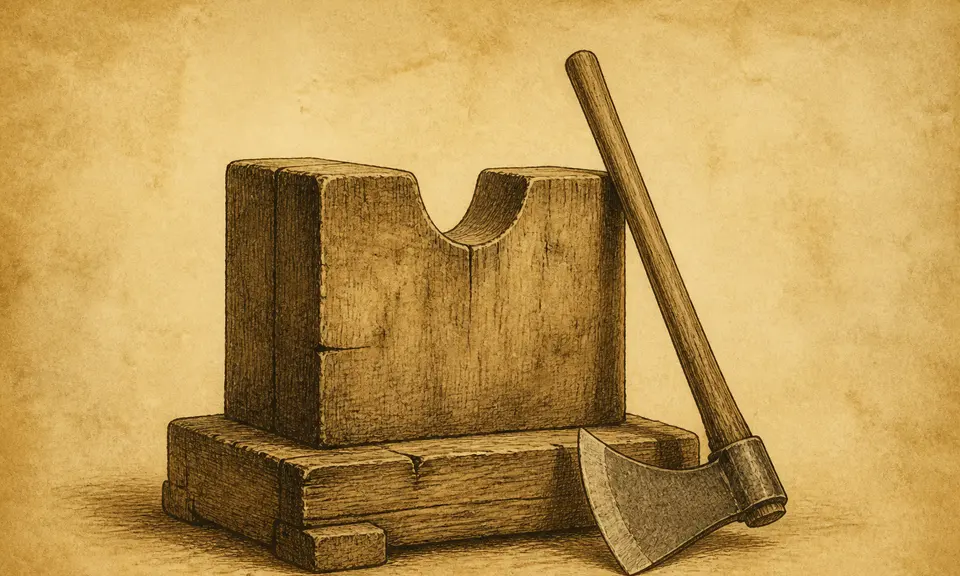
Miller reads the beheading as the end of something: being beheaded means overwhelming defeat or failure in an undertaking soon to follow, and seeing others beheaded with a great flow of blood portends death and exile. an-Nabulsi reads it as a release and as a warning in the same breath — for kings it is manumission, and it may point to the leaving off of prayer or to apostasy from the faith. The same stroke frees a man in one line and unmakes him in the next. Artemidorus reads the stroke as the loss of a father, and twice. A man dreamed that he was beheaded, and it came about that his father died, who was the cause of his living and of his seeing the light, just as the head is. And the fuller case spells out every part: when a poor man who has a rich father dreams that his head has been taken off by a lion and that he dies, it is likely that his father will die and leave him his heir, and that in this way he will become free of grief and well off — for the head is the father, the taking away is the loss of the father, the lion is the illness of which the father will fall sick and die, and the death is the change of his way of life and the want of nothing, because of the wealth.
This paragraph was generated by a model. It sums up the sources above, comes from none of them and is attributed to no one.
Again, a man dreamed that he was beheaded; in his case too it came about that his father died, who was the cause of his living and of his seeing the light, just as the head is.
Passage Book I, 2
So when a poor man who has a rich father dreams that his head has been taken off by a lion and that he dies, it is likely that his father will die and leave him his heir, and that in this way he will become free of grief and well off, having his father no longer as a burden and not being pressed by poverty: for the head is the father, the taking away is the loss of the father, the lion is the illness of which the father will fall sick and die, and the death is the change of his way of life and the want of nothing, because of the wealth.
Passage Book III
In a dream it is manumission for kings, and it may point to the leaving off of prayer or to apostasy from the faith. And whoever sees that his neck was struck and the head came away from him: if he was a slave, he is set free; and if he was weighed down with care, his care is relieved; and if he was in debt, his debt is paid; and perhaps he attains great money. And if he knew the one who struck him, he gained much good from him or at his hands. And if he was sick, he is healed. And if he had not made the pilgrimage, he makes it. And if the one who struck him was a boy not yet come of age, then that is his rest and his gladness from the distress of the illness he is in, and it comes by his death. And if the striking of the neck is seen by one who has no distress and nothing of what I have described, then the ease he is in is cut off and leaves him by the parting of his chief, and his authority goes from him and his state changes in all his affair. And if he saw a king or a governor striking his neck, then the reading of the governor is God; He saves him from his cares and helps him in his affairs. And if he saw a king striking the necks of his subjects, then he pardons the guilty or strikes their necks. And whoever sees that his neck is struck, whether by the ruling of the judge, or by robbery on the road, or in war, or otherwise, his parents die, if he has parents, or his children. And when the man who is afraid sees that, or the man sentenced to death, it is a sign of his deliverance from it; and for the money changers and the owners of capital it is a sign in their case of the going of their capital; and it points, in travellers, to their return, and in disputants, to the winning. And whoever sees that a ruler struck the middles of his subjects takes his due from them. And whoever sees that he was struck and made into two halves, and each half of him was carried to another place, marries two women whom he cannot keep in kindness, and his soul is not content to part from them. And whoever sees that, a parting is made between him and his money.
Section letter ḍad
To dream of being beheaded, overwhelming defeat or failure in some undertaking will soon follow. To see others beheaded, if accompanied by a large flow of blood, death and exile are portended.