Bean-mash and the bean mean faction: the one because it is split in two, the other because it produces unseemly wind.
Passage Book I, 68
3 readings from 3 sources.
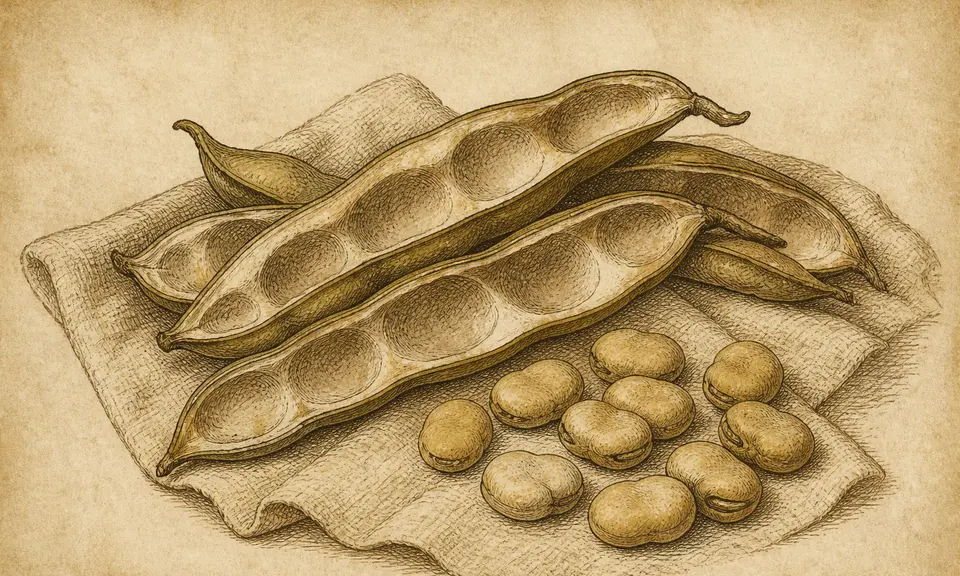
Miller is blunt: this is a bad dream. Beans growing mean worry and sickness among children, dried beans disappointment in worldly affairs, eating them the misfortune or illness of a well loved friend. Artemidorus reads both the bean and the mash made of it as faction, and gives a reason for each, neither of them delicate: the mash because it is split in two, the bean because it produces unseemly wind. an-Nabulsi splits the same bean by how dry it is and comes out the other way round: fresh beans are care, but dry ones are money that grows, with gladness and plenty, and green ones are provision and clothing and purity. He also plays on the name — the bean sounds like scarcity, so a man whose hair turns to beans sees his money turn to scarcity and goes poor.
This paragraph was generated by a model. It sums up the sources above, comes from none of them and is attributed to no one.
Bean-mash and the bean mean faction: the one because it is split in two, the other because it produces unseemly wind.
Passage Book I, 68
In a dream, if they are fresh they are care; and if they are dry they are money that grows, with gladness and plenty. And it is said they are scarcity, from their name. Whoever sees his hair turned into broad beans — his money turns to scarcity and he becomes poor. And green broad beans are provision and clothing and purity.
Section letter ba
This is a bad dream. To see them growing, omens worries and sickness among children. Dried beans, means much disappointment in worldly affairs. Care should be taken to prevent contagious diseases from spreading. To dream of eating them, implies the misfortune or illness of a well loved friend.