To embrace those one is used to, and to greet them and kiss them, is good: it means pleasant words both spoken and heard.
Passage Book II
5 readings from 3 sources.
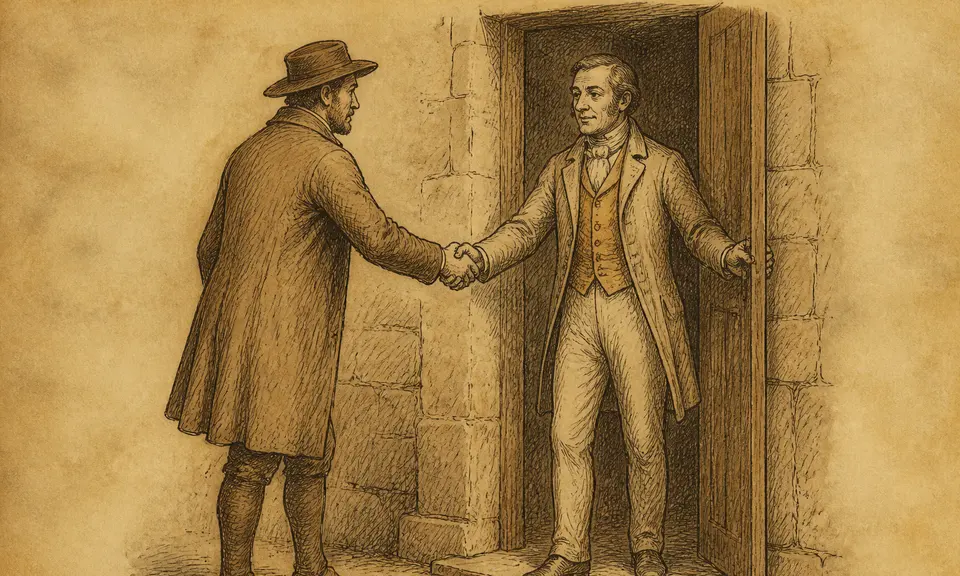
Miller reads the welcome as standing: being warmly received into any society means becoming distinguished among acquaintances and being deferred to by strangers, and welcoming others means your own warmth will be a passport into pleasures. an-Nabulsi reads the greeting of peace as a transaction, and the whole of it hangs on whether the greeting is returned. Greet a man you are not at odds with and the good goes to the one greeted; greet an enemy and you win over him and are safe from his evil. Then the test: if you mean to ask a man for his daughter and he returns your greeting, he will give her; if he does not, he will not. If there is trade between you and the greeting comes back, the deal comes together; if not, it never closes. Ask for what you need without greeting anybody first and what you need is withheld. And speaking before the greeting, or answering only with a gesture, is a leaning away from the custom towards innovation. Artemidorus puts the embrace beside the greeting and grades it by who is being greeted: to embrace those one is used to, and to greet them and kiss them, is good, and means pleasant words both spoken and heard; to greet those one is not used to, though otherwise known, is less good; and to greet enemies and kiss them brings the enmity to an end.
This paragraph was generated by a model. It sums up the sources above, comes from none of them and is attributed to no one.
To embrace those one is used to, and to greet them and kiss them, is good: it means pleasant words both spoken and heard.
Passage Book II
But to greet those one is not used to, though otherwise known, is less good.
Passage Book II
To dream of greeting enemies and kissing them brings the enmity to an end.
Passage Book II
Whoever sees that he greeted a man in a dream with the greeting of peace, and there is no enmity or quarrel between them, then the one greeted gets joy and safety and good from the one who greeted him; and if there was enmity between them, the greeter wins over the one greeted and is safe from his evil. If the one greeted was an old man he does not know, he is made safe from the punishment of God; and if he was an old man he knows, he gets saplings and much fruit. If the greeter was a young man he does not know, he is made safe from his enemy. If the greeter means to ask a man for a woman in marriage and the man returned his greeting, he will give her to him; and if he did not return it, he will not. If there is trade between them and he greeted him and the greeting was returned, that trade comes together between them; and if it was not returned, it does not come together and is not completed. If his enemy greeted him and had a gift with him, his enemy is asking him for peace and will pay his debt, or make good a loss. If he sees that he was greeted with a greeting he does not know and accepted it, he is safe and returns the greeting and is rewarded for it; and if he did not return it and did not accept it, he sins and is not rewarded. Whoever sees that he greets a man gets grief. Whoever sees that he shakes hands with a man he is used to, and greets him and embraces him — that is good, and it points to fair words he hears and speaks the like of; and if he sees that he shakes hands with an enemy and embraces him, it points to his enmity being undone. Whoever sees that the angels greet him — God gives him insight and a good end. The greeting in a dream points to submission to the one greeted; and perhaps the greeting points to the need that drives a man to the one whose part it is to return it: if someone returns it to him, he profits in what he is after, and otherwise his goods go unsold, or his word is not accepted among people. If he asked for what he needed and greeted nobody first, what he needed is withheld from him; and if he began with speech before the greeting, it points to going against the custom of the Prophet and leaning to innovation — and so it is if he was greeted in a dream and did not return it, and so it is if he returned it with a sign.
Section letter sin
To dream that you receive a warm welcome into any society, foretells that you will become distinguished among your acquaintances and will have deference shown you by strangers. Your fortune will approximate anticipation. To accord others welcome, denotes your congeniality and warm nature will be your passport into pleasures, or any other desired place.