Remember that of the histories you must attend only to those thoroughly believed, on many and great proofs, to be true, such as the Persian war and, further back, the war of the heroes and the like.
Passage Book IV
4 readings from 3 sources.
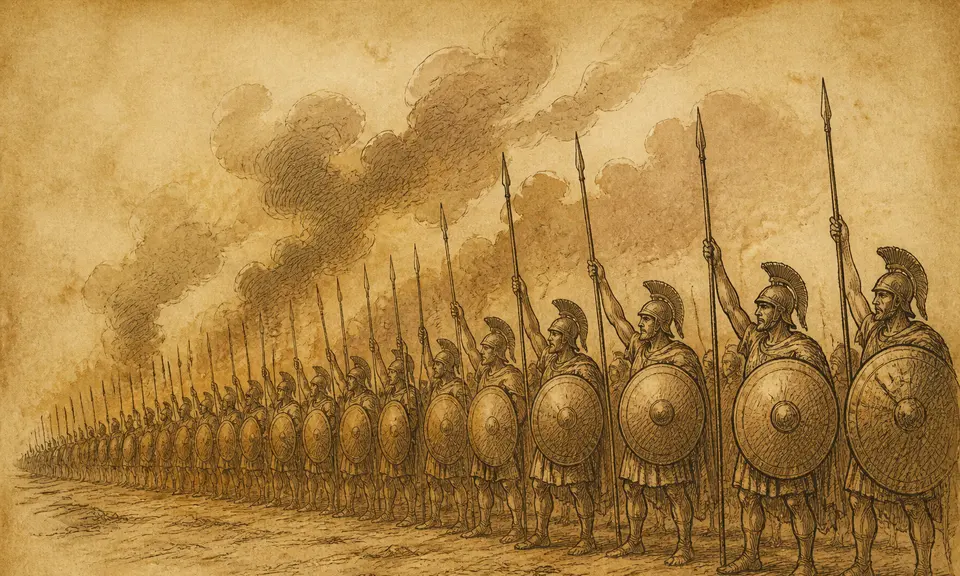
Miller reads war as the news of the day reaching the household: unfortunate conditions in business, disorder and strife at home, a lover gone to war meaning something will come out against his character, a country defeated meaning upheaval in business and politics, a victory meaning brisk trade and a harmonious house. an-Nabulsi reads the holy war as work. It points first to hurrying after the family's food, and the toil of fighting is the toil of earning: a man who strives in the path of God is a man diligent for his household, and one who turns his face away from the fighting is a man who has stopped providing for them and is spoiling his religion. Victory in the campaign means profit in his earning, and a raid means spoil. He agrees with Miller on only one thing, and by a different road, that the war at sea is poverty, failure and a man caught in the lowest place between two enemies. Artemidorus does not read the war but the history it comes out of, and sets a rule for it: of the histories one must attend only to those thoroughly believed, on many and great proofs, to be true, such as the Persian war and, further back, the war of the heroes and the like. For of these both camping grounds are shown, and places of battle lines, and the foundings of cities, and all else that follows upon them — so whenever a man sees such a thing, something like it will certainly come about for him.
This paragraph was generated by a model. It sums up the sources above, comes from none of them and is attributed to no one.
Remember that of the histories you must attend only to those thoroughly believed, on many and great proofs, to be true, such as the Persian war and, further back, the war of the heroes and the like.
Passage Book IV
For of these both camping grounds are shown, and places of battle lines, and the foundations of camps, and the foundings of cities, and the raising of altars, and all else that follows upon these. So whenever a man sees such a thing, something like it will certainly come about for him.
Passage Book IV
It points in a dream to hurrying after the family's food, and the man gets fair praise and a good name. It is said that the holy war points to provision, and it may point to walking the road of good and of right dealing, and to disputing with the people of wrongdoing and obstinacy. Whoever sees that he goes to the holy war attains riches and favour and degrees in the hereafter. If he sees that he strives in the path of God and fights the unbelievers, he is diligent in the matter of his household — the toil of fighting is the toil of earning. If he sees that he goes to the holy war with his weapon, he is a Muslim, diligent and holding fast, who keeps the prayer and gives the alms. If he sees that he fights the unbelievers alone with his sword, striking right and left, he is given victory over his enemies. If he sees that he was killed in the path of God, he gets joy and gladness and an easy provision. If he sees that he is in the campaign with his face turned away from the fighting, he leaves off the toil for his household and does not work to better their state, and he spoils his religion, and his kin are scattered in the world. And if he was in the campaign and saw that he was given victory, he profits in his earning. If he sees that he raids, he gets spoil, so long as he is in a campaign or a holy war. The holy war against the enemies of religion points in a dream to the breaking with the people of wrong and hypocrisy and to the victory over them. The holy war at sea is a sign of poverty and failure, and of falling into perils, and of coming into the lowest place between two enemies, the sea and the enemy — or of seeking provision from the sea, or from the one the sea stands for. And the holy war against the people of wrongdoing points in a dream to a victory for religion and for fathers and mothers, or to jealousy over a wife; and if a man went off from the war against the people of wrongdoing, apostasy from Islam is to be feared for him, or the crossing of his parents, or the breaking with one whose obedience is due from him, or the leaving off of prayer.
Section letter jim
To dream of war, foretells unfortunate conditions in business, and much disorder and strife in domestic affairs. For a young woman to dream that her lover goes to war, denotes that she will hear of something detrimental to her lover's character. To dream that your country is defeated in war, is a sign that it will suffer revolution of a business and political nature. Personal interest will sustain a blow either way. If of victory you dream, there will be brisk activity along business lines, and domesticity will be harmonious.