For all tools that cut and divide signify discord, faction and injury; those that unite and bind together signify benefits, marriages and partnerships;
Passage Book I, 52
4 readings from 2 sources.
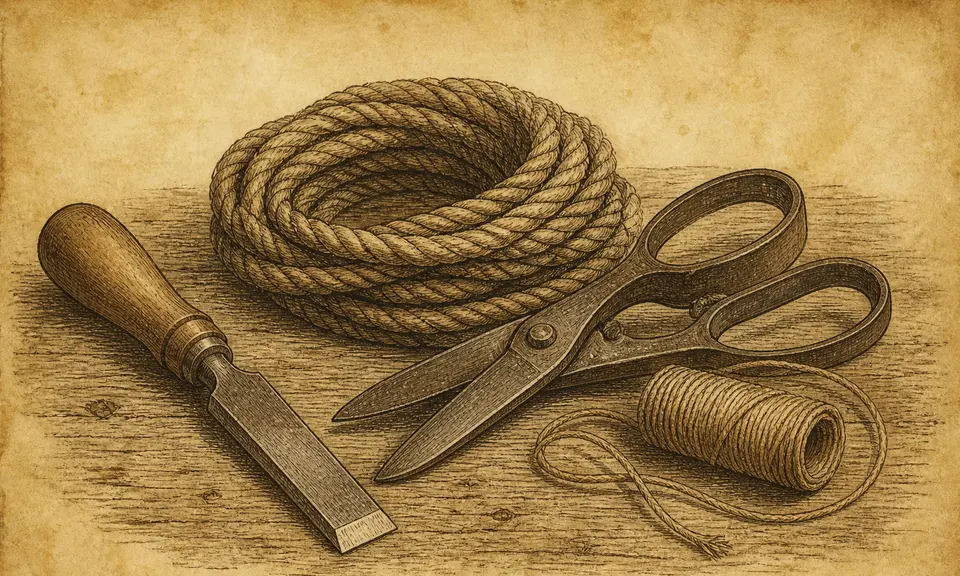
Artemidorus does not read the individual tool but what it does, and builds a rule out of it: all tools that cut and divide signify discord, faction and injury, while those that unite and bind together signify benefits, marriages and partnerships — and at the same time they hinder travelling abroad, because they bind. Then he carries the rule through: tools that smooth put an end to enmities, and tools that straighten bring hidden things to light. His widest rule puts the vessels beside the tools: each of the vessels and the tools means either the craft or what is contained in it — jars mean wine or oil, the meal-bin wheat or barley — or else what is like it in use, so that all tools mean friends and children and parents, storerooms mean stewards, and chests and treasuries mean wives and household managers. Miller makes of the tool not a sign about relations but the state of the work: implements denote unsatisfactory means of accomplishing some work, and broken implements threaten death or serious illness of relatives or friends, or failure in business.
This paragraph was generated by a model. It sums up the sources above, comes from none of them and is attributed to no one.
For all tools that cut and divide signify discord, faction and injury; those that unite and bind together signify benefits, marriages and partnerships;
Passage Book I, 52
But they hinder travelling abroad; those that smooth put an end to enmities; those that straighten bring hidden things to light.
Passage Book I, 52
Further, each of the vessels and the tools means either the craft or what is contained in it — as jars mean wine or oil, and the meal-bin wheat or barley — or, by analogy, what is like it in use: as all tools mean friends and children and parents, and storerooms mean stewards, and chests and treasuries mean wives and household managers.
Passage Book IV
To dream of implements, denotes unsatisfactory means of accomplishing some work. If the implements are broken, you will be threatened with death or serious illness of relatives or friends, or failure n business.