To hate or to be hated is of advantage to nobody. And it makes no difference whether a man hates the one by whom he is hated, since hatred makes enemies; and enemies neither join in nor lend a hand.
Passage Book III, 10
4 readings from 3 sources.
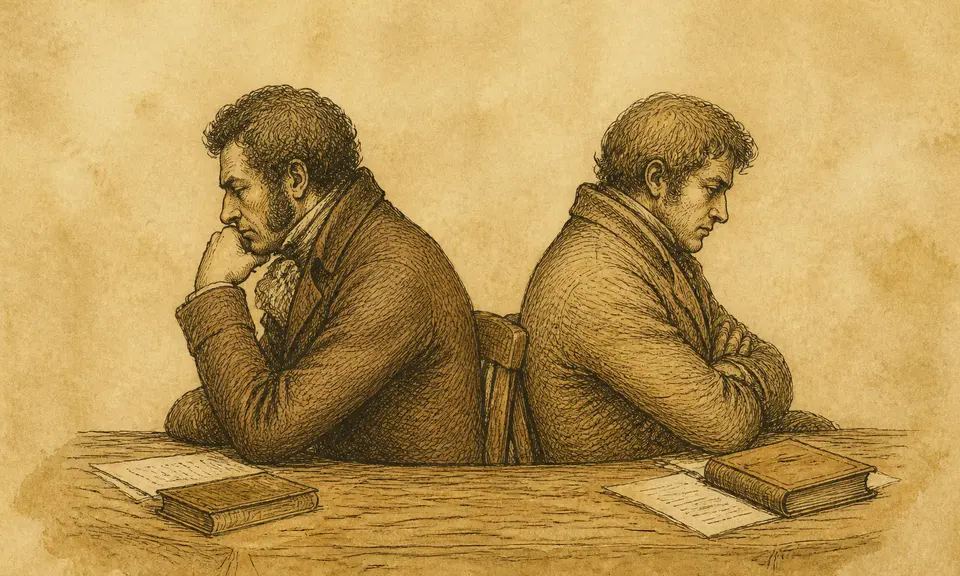
Miller reads hatred as a warning about the dreamer's own conduct: hating a person means he will do them an inadvertent injury or lose business through a spiteful act, while being hated unjustly means sincere and obliging friends. Artemidorus has that same reasoning, and has it first: to hate or to be hated is of advantage to nobody, and it makes no difference whether a man hates the one by whom he is hated, since hatred makes enemies — and enemies neither join in nor lend a hand, while men need help and people who lend a hand, since it is through such people that they are benefited. an-Nabulsi calls it a bad sign for everybody and gives the same reason, which is practical rather than moral: hatred is the cause of enmity, enemies neither answer nor help one another, and people need the help of their like — even of kings. Hating somebody one loves is rancour kept in the breast; and seeing in the dream a man hated in waking means a narrowed breast and the trial of company that does no good.
This paragraph was generated by a model. It sums up the sources above, comes from none of them and is attributed to no one.
To hate or to be hated is of advantage to nobody. And it makes no difference whether a man hates the one by whom he is hated, since hatred makes enemies; and enemies neither join in nor lend a hand.
Passage Book III, 10
But men need help and people who lend a hand, since it is through such people that they are benefited.
Passage Book III, 10
Whoever sees in a dream that a man hates him, or that he hates a man, it is a bad sign for all people, because hatred is the cause of enmity, and enemies do not answer one another and do not help one another, while people need the help of their like, even of kings. And hating one he loves points to rancour and spite in the breast. And perhaps hatred points to the commanding of obedience and the turning away from disobedience. And if he sees in a dream the man he hates in waking, it points to a narrowed breast and to being tried with somebody whose company does him no good.
Section letter ba
To dream that you hate a person, denotes that if you are not careful you will do the party an inadvertent injury or a spiteful action will bring business loss and worry. If you are hated for unjust causes, you will find sincere and obliging friends, and your associations will be most pleasant. Otherwise, the dream forebodes ill.