Hail

2 readings from 2 sources.

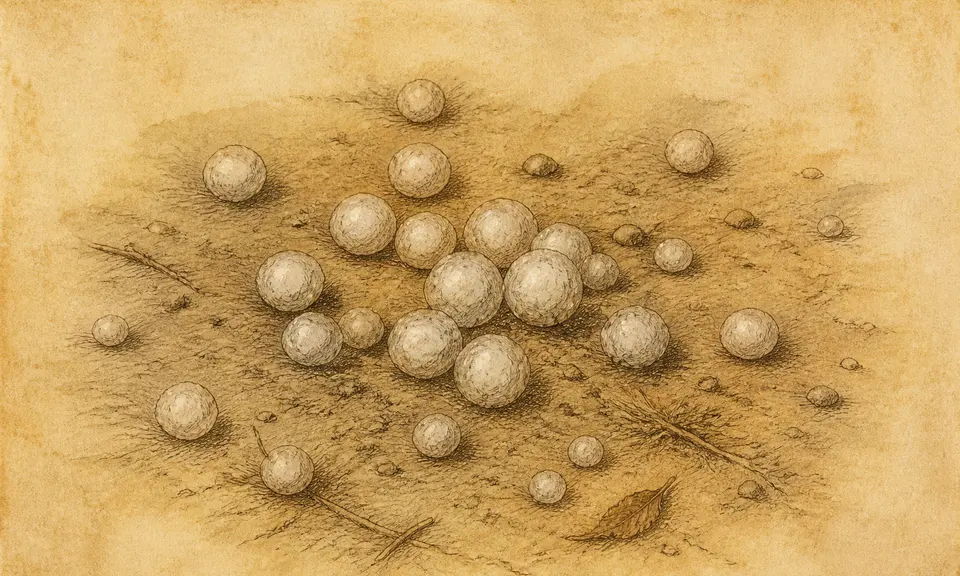
The image was generated by a model. It is not a period engraving and comes from none of the sources.

Miller reads the hail by what the dreamer is doing in it: being in a hail storm means poor success in any undertaking, watching hail-stones fall through sunshine and rain cares for a time and then fortune, hail beating the house distressing situations. an-Nabulsi reads it as a judgment from above: hail coming down is the king punishing people and taking their money, hail out of season a light illness recovered from, hail on the body some of a man's money gone. In its season it means cares going away, because it cools the earth the snakes and scorpions come out of; and much hail that blocks the roads means a living brought to nothing.

This paragraph was generated by a model. It sums up the sources above, comes from none of them and is attributed to no one.

Arabic dream book

It is the grain of the clouds; and when it comes down from the sky it is a sign of the king punishing people and taking their money away and hurting some of them with a hard beating. And if he saw as if the sky were raining hail or snow out of its season, the dreamer falls ill with a light illness and then recovers from it. And if he saw as if hail fell from the sky on his body along with it, some of his money goes. Hail in its season points to cares and sorrows going away and to enemies and enviers being put down, because it cools the earth out of which the snakes and the scorpions come. And if the hail was much and spoiled the places and the roads and stopped the way, that points to a living brought to nothing and to affairs standing still and to journeys made impossible. And the hail may point to strange goods arriving from the quarter it fell from: if harm came of it, it is a sign of evil, and if no harm came of it, it is good and provision, and especially if people gathered it into their vessels or ate it and took no harm from it. And whoever sees that hail has fallen on a land — then it is a mercy from God, if it did no damage; and if it damaged or was gross, then it is a punishment coming down on that place. And hail in the places of sowing and growing, when it spoiled nothing and harmed nobody, brings plenty and good; and it may point to the locust that does no harm. And if the hail harmed the crop and the people, or fell on the houses and the quarters, then it is blights and fines thrown upon people, or smallpox, or madness, and sores that gather and run. As for the man who carried hail in a sieve or in a cloth or in anything that does not hold water: if he was rich, his earnings melted away or his money was wiped out; and if he had goods at sea, they were feared for; and if he was poor, then everything he needs and wears and gains has no staying with him, and he hoards nothing of it against his time.

Section letter ba

The Perfuming of Mankind in the Interpretation of Dreams

Abd al-Ghani al-Nabulsi

before 1731; first printed Cairo 1858 · Arab-Islamic

carries the ancient tradition after Artemidorus

About this source

An Arabic dream book by the Damascene scholar al-Nabulsi, an alphabetical dictionary of two and a half thousand headwords. It draws on the ancient tradition directly: Artemidorus was translated into Arabic by Hunayn ibn Ishaq in the ninth century. The readings here almost always address the dreamer’s standing, property and faith rather than their feelings.

Rights: public domain

Where the text is from: https://shamela.ws/book/1217

Miller

If you dream of being in a hail storm, you will meet poor success in any undertaking. If you watch hail-stones fall through sunshine and rain, you will be harassed by cares for a time, but fortune will soon smile upon you. For a young woman, this dream indicates love after many slights. To hear hail beating the house, indicates distressing situations.

Ten Thousand Dreams Interpreted; Or, What's in a Dream

Gustavus Hindman Miller

1901 · American Victorian

carries fragments of the ancient tradition without its system

About this source

An American dream book, the only one here that knows the telephone, the railroad or the elevator. Doctrinally it is the most degraded: it keeps fragments of the ancient tradition without the system that once held them together.

Rights: public domain

Where the text is from: https://www.gutenberg.org/ebooks/926