To acquire more, and to have an estate more costly or better furnished — more costly than the one he has, or even moderately better — is good in every case.
Passage Book IV
4 readings from 3 sources.
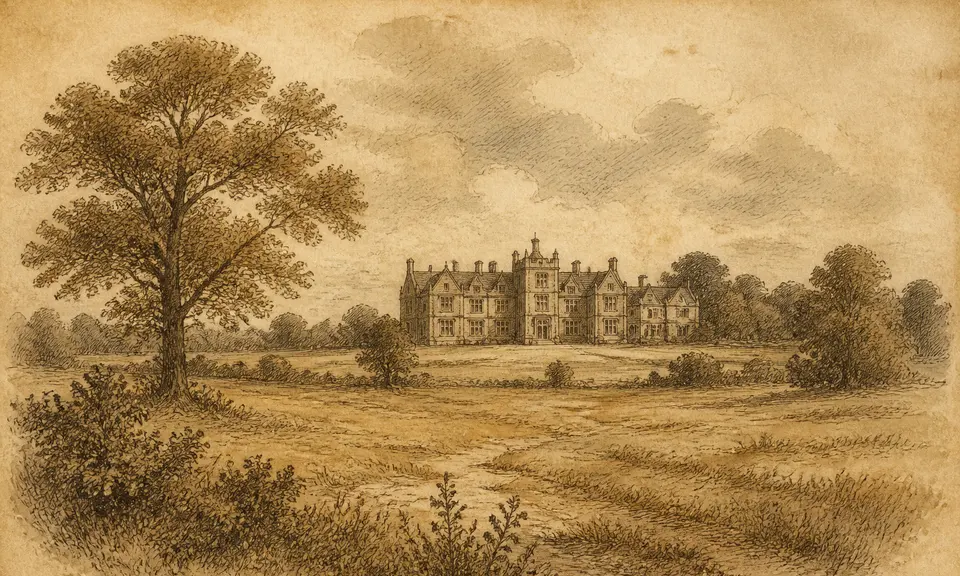
Miller reads the estate as an inheritance and spoils it in advance: coming into the ownership of a vast estate foretells a legacy at some distant day, quite different from what was expected, and for a young woman the inheritance will be a poor man and a house full of children, with frugal living to follow. Artemidorus reads it as a measure against the dreamer’s own standing. To acquire more, and to have an estate more costly or better furnished than the one he has, or even moderately better, is good in every case; but to be rich beyond one’s means is out of place and a sign of loss, for the rich man must spend, and the rich man has his share of plotting and of envy — and what counts as beyond a man’s means is to be judged against each man’s station. an-Nabulsi reads it as a working farm. It points to provision and to good, because the supply of the city comes from its estates, and it stands for what is carried up from them — dates, raisins, wheat; whatever befell the estate in the dream, drowning or burning, is a lack in that fruit and that grain. Then it turns into people: the wife who helps with the living, or the husband who endures toil for his household. And the reading closes against itself — the estate can also point to the wasting of a lifetime in heedlessness, without pleasures, kept from the gaining of knowledge. Land is something a dreamer is left in one book and something he works in the other, and only the second one knows that it can eat a life.
This paragraph was generated by a model. It sums up the sources above, comes from none of them and is attributed to no one.
To acquire more, and to have an estate more costly or better furnished — more costly than the one he has, or even moderately better — is good in every case.
Passage Book IV
But to be rich beyond one’s means is out of place and a sign of loss, for the rich man must spend, and the rich man has his share of plotting and of envy. Judge what is beyond a man’s means against each man’s standing.
Passage Book IV
It in a dream points to provision and to good, because the supply of the city comes from its estates. And perhaps the estates point to what is carried up from them of dates or raisins or wheat. So whatever befell the estate in a dream of drowning or of burning, that was a lack in what we have mentioned of its fruit or its grain. And perhaps the estate points to the living and the provision, or to the wife who helps therein, or to the husband who endures toil for his household. And if an increase of good came about in it, that was a proof of growth and of blessing and of provision from it. And perhaps the estate points to the wasting of a lifetime in heedlessness and in the absence of pleasures and in being kept from the gaining of knowledge.
Section letter ḍad
To dream that you come into the ownership of a vast estate, denotes that you will receive a legacy at some distant day, but quite different to your expectations. For a young woman, this dream portends that her inheritance will be of a disappointing nature. She will have to live quite frugally, as her inheritance will be a poor man and a house full of children.