Still, in this kind of dream too, those who have the same crafts as one another, even if they are very well known to the dreamer, stand for the crafts themselves.
Passage Book IV
6 readings from 3 sources.
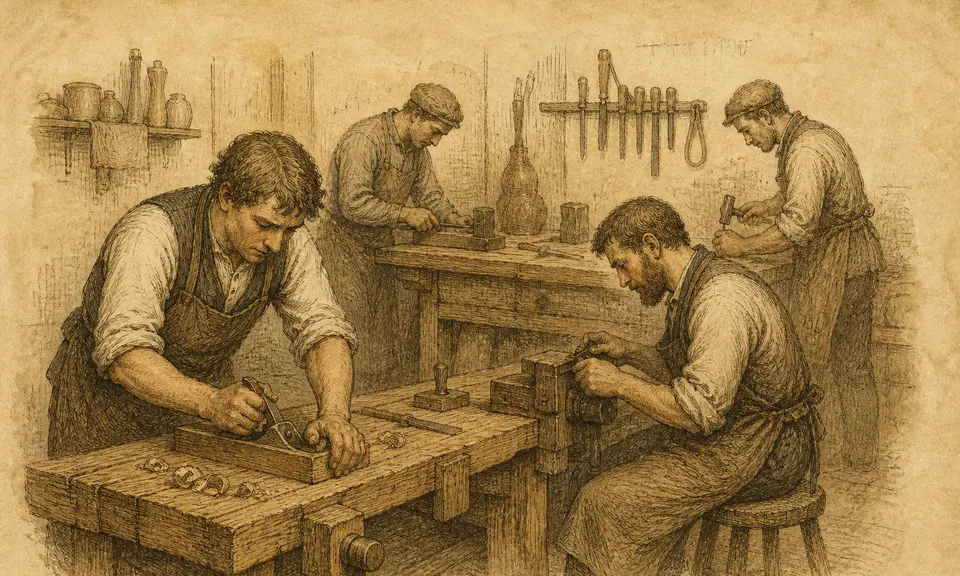
Miller reads employment as a bad omen whichever way it falls: the dream implies depression in business and lost jobs, and bodily illness as well; being out of work means the dreamer need not fear, because his conscientiousness keeps him sought after; and giving work to others means loss for himself. Artemidorus reads neither the work nor the want of it but the workman, and makes a rule of it: those who have the same crafts as one another, even if they are very well known to the dreamer, stand for the crafts themselves, so that a grammarian is to a grammarian nothing other than the art of grammar, and an orator to an orator rhetoric, and among the handworkers a smith to a smith and a carpenter to a carpenter means the smith's and the carpenter's craft. Two cases carry it: Philagros the orator saw Haron the orator ill, and for a long time he kept silent against his own will; and in Cyzicus a carpenter who saw the carpenter next door dead and being carried out gave up his workshop because of creditors and moved away from the city. In that book the man of your own trade is your trade, so what ails him ails your living. an-Nabulsi reads the word for being occupied through a verse about the people of the garden being occupied in delight, which the commentators took to mean the taking of maidenheads — so being occupied in a dream is marriage, while work moved to, if it is enough to live on, means provision made new, and wives and children.
This paragraph was generated by a model. It sums up the sources above, comes from none of them and is attributed to no one.
Still, in this kind of dream too, those who have the same crafts as one another, even if they are very well known to the dreamer, stand for the crafts themselves.
Passage Book IV
Accordingly a grammarian is to a grammarian nothing other than the art of grammar, and an orator to an orator rhetoric; and so too among the handworkers, a smith to a smith and a carpenter to a carpenter means the smith’s and the carpenter’s craft.
Passage Book IV
For instance, Philagros the orator saw Haron the orator ill, and for a long time he kept silent against his own will.
Passage Book IV
And in Cyzicus a carpenter who saw the carpenter next door dead and being carried out gave up his workshop because of creditors and moved away from the city.
Passage Book IV
Whoever sees in a dream that he is occupied marries a virgin slave girl and takes her maidenhead, by His word, exalted be He: “the companions of the garden are today occupied in delight” — they said that is the taking of maidenheads. And a man's being occupied in a dream with other than his own work, if the work he moved to is enough for him, points to provision made new and to wives and children and worship.
Section letter shin
This is not an auspicious dream. It implies depression in business circles and loss of employment to wage earners. It also denotes bodily illness. To dream of being out of work, denotes that you will have no fear, as you are always sought out for your conscientious fulfilment of contracts, which make you a desired help. Giving employment to others, indicates loss for yourself. All dreams of this nature may be interpreted as the above.