In a dream it points to knowledge and to guidance.
Section letter kaf
3 readings from 2 sources.
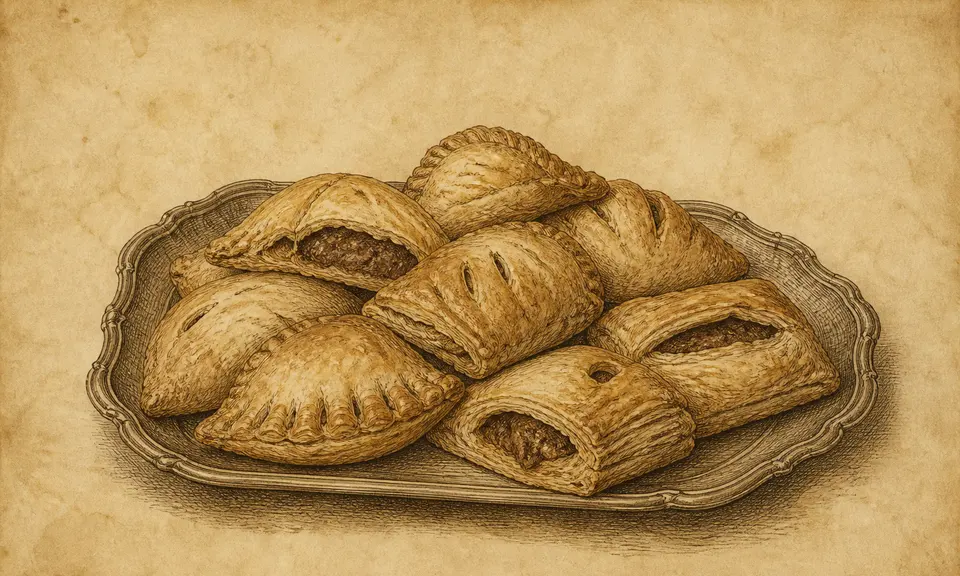
The two readings are of unequal length and that is the whole of the difference. Miller writes a small drama around it: pastry means being deceived by an artful person, eating it means heartfelt friendships, and a young woman baking it will fail to hide her real intentions. an-Nabulsi gives it one line, and the sweet he names is kunafa: in a dream it points to knowledge and to guidance. What is a trap in the English book is a teaching in the Arabic one, and neither of them is talking about dessert. Another Arabic reading takes a different sweet, the sabusaj, and for once the motif is about what it is: a sign of honour and joys and gladness and provisions, and a wife for the man who has none. Between the two Arabic readings the pastry is a teaching in one and a piece of good fortune in the other, and neither is a trap.
This paragraph was generated by a model. It sums up the sources above, comes from none of them and is attributed to no one.
In a dream it points to knowledge and to guidance.
Section letter kaf
It is in a dream a sign of honour and of joys and gladness and provisions, and of a spouse for the man who is unmarried.
Section letter sin
To dream of pastry, denotes that you will be deceived by some artful person. To eat it, implies heartfelt friendships. If a young woman dreams that she is cooking it, she will fail to deceive others as to her real intentions. See Pies.