For a woman a many-coloured and flowery dress is of use, and most of all for a courtesan and for a rich woman; for the one because of her trade and the other because of her luxury wear flowery clothes.
Passage Book II, 3
3 readings from 3 sources.
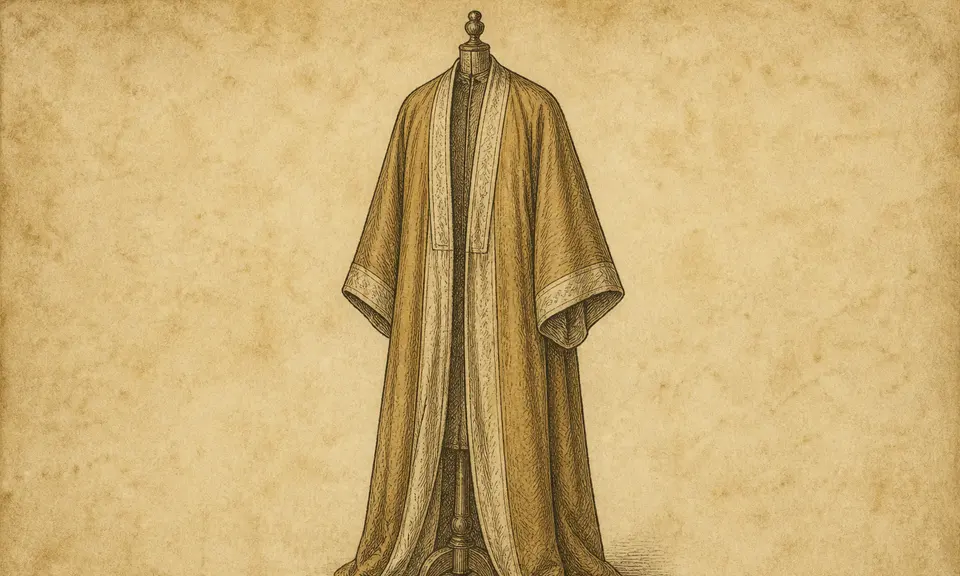
Miller reads the gown as the nightgown and as a small embarrassment: being seen in one means a slight illness, seeing others in one unpleasant news of absent friends, and a lover who sees his sweetheart in hers will be superseded. Artemidorus reads the dress by who is wearing it: for a woman a many-coloured and flowery dress is of use, and most of all for a courtesan and for a rich woman — the one because of her trade and the other because of her luxury wear flowery clothes. an-Nabulsi reads the long robe as a person and as a season: it is a foreign woman who comes to the dreamer, or a loving child if it is dyed; it is a long life; and it is riches, because it keeps out the cold and cold is poverty. Worn in summer the same robe turns into grief, debt, illness or imprisonment.
This paragraph was generated by a model. It sums up the sources above, comes from none of them and is attributed to no one.
For a woman a many-coloured and flowery dress is of use, and most of all for a courtesan and for a rich woman; for the one because of her trade and the other because of her luxury wear flowery clothes.
Passage Book II, 3
Whoever sees in a dream that he has a long robe on — it is a foreign woman who comes to him; and if it is dyed, it is a loving child. And a robe faced with cotton is soundness of religion. And if a woman sees one and sees its lining of sable, she betrays her husband with a brutal man. And the robe in a dream is a long life; and the robe is riches for whoever wears it, because it keeps the cold out, and cold is poverty. And wearing it in summer is a grief from a wife, or a debt, or an illness, or imprisonment, or straits, or distress on account of a woman; and if he is a man of war, he has put on his armour and met his enemy in battle.
Section letter jim
If you dream that you are in your nightgown, you will be afflicted with a slight illness. If you see others thus clad, you will have unpleasant news of absent friends. Business will receive a back set. If a lover sees his sweetheart in her night gown, he will be superseded. See Cloths.