And son and grandson, father and grandfather, daughter and granddaughter, mother and grandmother have one and the same meaning.
Passage Book IV
4 readings from 3 sources.
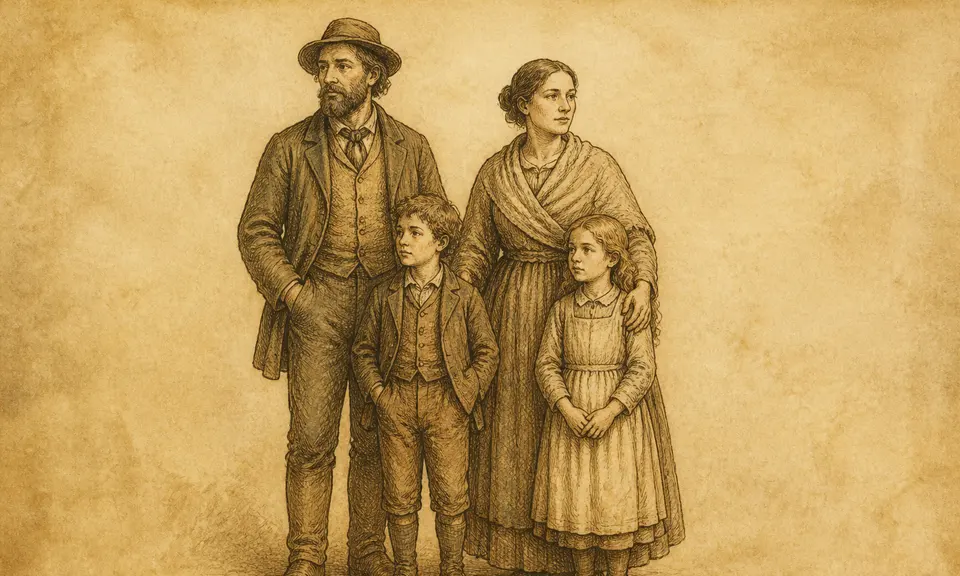
Miller reads the family as a barometer and an-Nabulsi reads it as an estate. For Miller the dream simply reports: a household seen harmonious and happy signifies health and easy circumstances, and one seen in sickness or contention forebodes gloom and disappointment. The dream tells the dreamer nothing he could not have worked out by looking. Artemidorus reads the family as one meaning repeated: son and grandson, father and grandfather, daughter and granddaughter, mother and grandmother have one and the same meaning, and whoever belongs to a man’s family signifies the whole family, children most of all, because whatever else they signify they show the family at the same time. an-Nabulsi turns the thing the other way up. The people a man supports are, in a dream, riches for whoever saw them — and he argues it from the verse that promises enrichment out of God's bounty to those who fear poverty. Miller counts the mood at the table; an-Nabulsi counts the mouths, and calls the count wealth rather than the reason for the fear.
This paragraph was generated by a model. It sums up the sources above, comes from none of them and is attributed to no one.
And son and grandson, father and grandfather, daughter and granddaughter, mother and grandmother have one and the same meaning.
Passage Book IV
Those who belong to one’s family signify the whole family, and children most of all; for whatever else they signify, they show the family at the same time.
Passage Book IV, 29
In a dream they are riches for whoever saw them, for His saying, the Most High: “And if you fear poverty, God will enrich you out of His bounty.”
Section letter ayn
To dream of one's family as harmonious and happy, is significant of health and easy circumstances; but if there is sickness or contentions, it forebodes gloom and disappointment.