The young man of Paphos dreamed that his face was smeared with paint, as women's are, and that he was sitting in the theatre. He was caught in adultery and was put to shame.
Passage Book IV
3 readings from 3 sources.
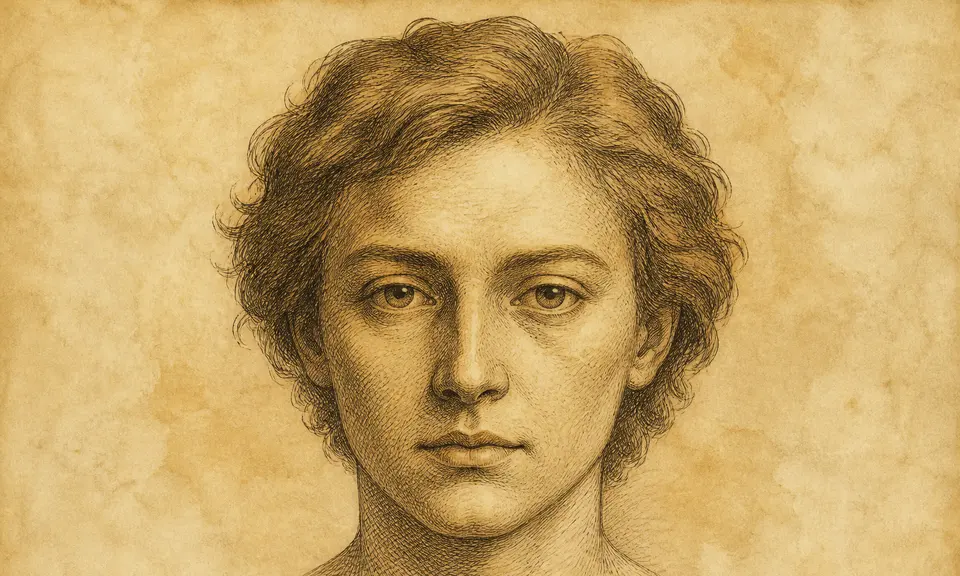
Miller reads faces as other people's and grades them by expression: bright and happy ones are favorable, disfigured or frowning ones are trouble, a sweetheart's face gone old is separation and the breaking up of happy associations, and a strange weird-looking face means enemies and misfortunes all round. His own face is the worst of them — seeing it is unhappiness, and to the married it brings threats of divorce, while seeing it in a mirror is displeasure at plans not carried out and the lost esteem of friends. an-Nabulsi has two readings and both are about colour. A fair face is the goodness of the dreamer's state in this world, glad tidings and joy. A black face, for a man who has a pregnant woman, is the glad tidings of a female — and the reading gives its reasoning as a verse: when one of them is given glad tidings of a female, his face turns dark. The sign is read backwards out of the shame in it. The darkened face is the face of a man who has just been told, so the dream tells him in advance.
This paragraph was generated by a model. It sums up the sources above, comes from none of them and is attributed to no one.
The young man of Paphos dreamed that his face was smeared with paint, as women's are, and that he was sitting in the theatre. He was caught in adultery and was put to shame.
Passage Book IV
It in a dream: if you saw it fair, it points to the goodness of his state in this world and to glad tidings and joy. And if you saw it black, it points to glad tidings of a female for him who has a pregnant woman, for the saying of the Most High: {And when one of them is given glad tidings of a female, his face turns dark}.
Section letter waw
This dream is favorable if you see happy and bright faces, but significant of trouble if they are disfigured, ugly, or frowning on you. To a young person, an ugly face foretells lovers' quarrels; or for a lover to see the face of his sweetheart looking old, denotes separation and the breaking up of happy associations. To see a strange and weird-looking face, denotes that enemies and misfortunes surround you. To dream of seeing your own face, denotes unhappiness; and to the married, threats of divorce will be made. To see your face in a mirror, denotes displeasure with yourself for not being able to carry out plans for self-advancement. You will also lose the esteem of friends.