Anger

4 readings from 2 sources.

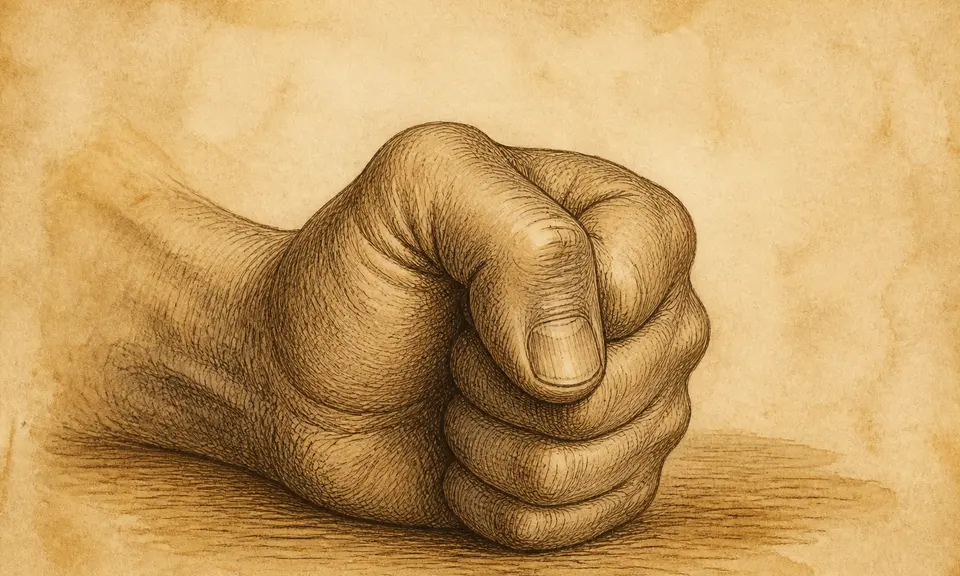
The image was generated by a model. It is not a period engraving and comes from none of the sources.

Miller writes it twice and keeps it among people: anger means an awful trial, disappointment in loved ones and broken ties, while meeting the anger of friends with composure means mediating between them and gaining their lasting gratitude; and a rage of scolding and tearing things up means quarrels and injury to one's friends. an-Nabulsi writes it twice too and both readings ask what the anger was for. Anger in a dream is prison — whoever went out of his house angry will be imprisoned — and if he was angry for the sake of this world he makes light of God's religion, while if it was for God's sake he gets strength and office. Rage, when there was no cause for it, points to a sudden death, and otherwise to scandals and to illnesses, because of how a man's state changes in it.

This paragraph was generated by a model. It sums up the sources above, comes from none of them and is attributed to no one.

Arabic dream book

In a dream it is prison: whoever saw that he went out of his house angry will be imprisoned. And if he was angry for the sake of this world, he makes light of the religion of God, be He exalted; and if it was for the sake of God, he gets strength and office.

Section letter ghayn

In a dream it points to a sudden death, if there was no cause for it; and rage in a dream may point to the committing of scandals and to illnesses, because of how the state of the enraged man changes in his rage. And whoever sees that he is in a rage against a person — his affair turns over upon him and his money goes, by the word of God: and God turned back those who did not believe, with their rage; they came by no good. And rage is poverty and the wasting of money.

Section letter ghayn

The Perfuming of Mankind in the Interpretation of Dreams

Abd al-Ghani al-Nabulsi

before 1731; first printed Cairo 1858 · Arab-Islamic

carries the ancient tradition after Artemidorus

About this source

An Arabic dream book by the Damascene scholar al-Nabulsi, an alphabetical dictionary of two and a half thousand headwords. It draws on the ancient tradition directly: Artemidorus was translated into Arabic by Hunayn ibn Ishaq in the ninth century. The readings here almost always address the dreamer’s standing, property and faith rather than their feelings.

Rights: public domain

Where the text is from: https://shamela.ws/book/1217

Miller

To dream of anger, denotes that some awful trial awaits you. Disappointments in loved ones, and broken ties, of enemies may make new attacks upon your property or character. To dreams that friends or relatives are angry with you, while you meet their anger with composure, denotes you will mediate between opposing friends, and gain their lasting favor and gratitude.

To be in a rage and scolding and tearing up things generally, while dreaming, signifies quarrels, and injury to your friends. To see others in a rage, is a sign of unfavorable conditions for business, and unhappiness in social life. For a young woman to see her lover in a rage, denotes that there will be some discordant note in their love, and misunderstandings will naturally occur.
Ten Thousand Dreams Interpreted; Or, What's in a Dream

Gustavus Hindman Miller

1901 · American Victorian

carries fragments of the ancient tradition without its system

About this source

An American dream book, the only one here that knows the telephone, the railroad or the elevator. Doctrinally it is the most degraded: it keeps fragments of the ancient tradition without the system that once held them together.

Rights: public domain

Where the text is from: https://www.gutenberg.org/ebooks/926