Its tree in a dream is a man whose family love him without any benefit from him to them, who contradicts whoever keeps company with him and draws near to whoever is hostile to him.
Section letter kha
2 readings from 2 sources.
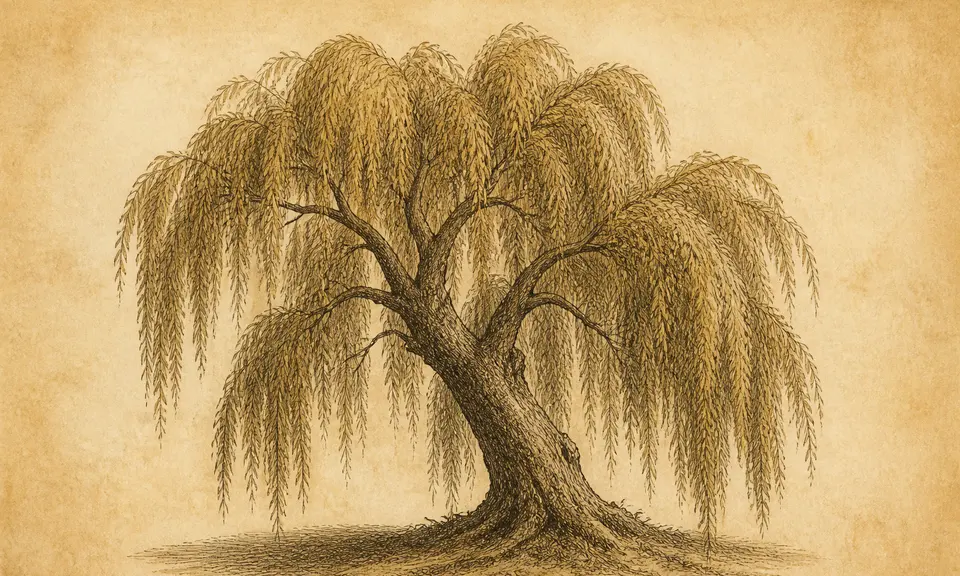
Miller reads the willow as mourning with company: you will soon make a sad journey, but faithful friends will console you in your grief. an-Nabulsi reads the tree as a man, and not a man anybody would want nearby — his family love him and get nothing by it, he contradicts whoever keeps him company and draws near to whoever is hostile to him. The two readings meet on the friends and part on what they are worth: in one they are the consolation, in the other they are wasted on him.
This paragraph was generated by a model. It sums up the sources above, comes from none of them and is attributed to no one.
Its tree in a dream is a man whose family love him without any benefit from him to them, who contradicts whoever keeps company with him and draws near to whoever is hostile to him.
Section letter kha
To dream of willows, foretells that you will soon make a sad journey, but you will be consoled in your grief by faithful friends.