So Apollonides the surgeon, who dreamed that he was performing Homer and wounding many men, operated on many; for the Homer-performers do wound and draw blood, yet they do not mean to kill, and it is the same with the surgeon.
Passage Book IV
3 readings from 3 sources.
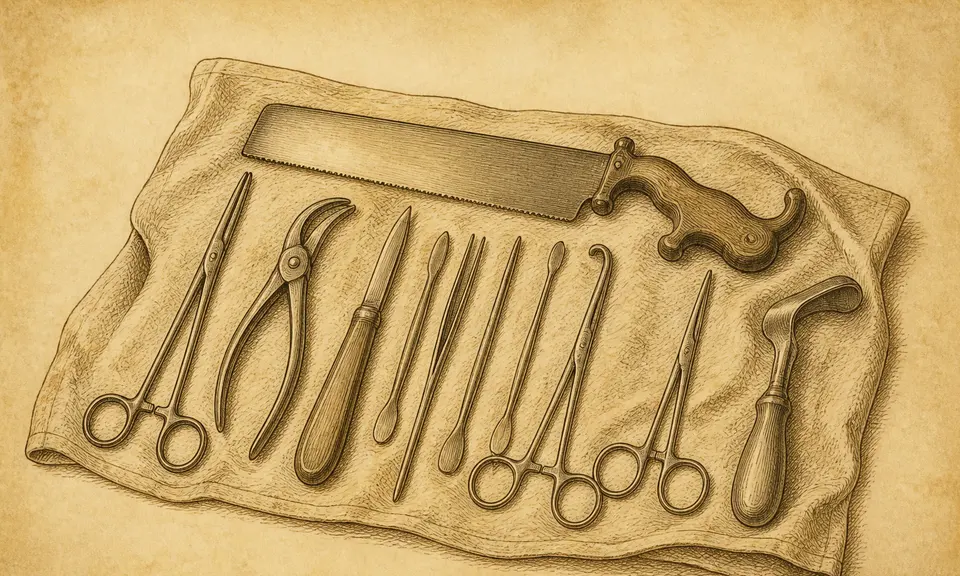
Miller reads the surgeon as a threat already inside the dreamer's affairs: seeing one means enemies close to him in business, and for a young woman a serious illness with much inconvenience in it. Artemidorus reads it through one of his cases, and the reasoning is the point: Apollonides the surgeon dreamed that he was performing Homer and wounding many men, and he operated on many — for the Homer-performers do wound and draw blood, yet they do not mean to kill, and it is the same with the surgeon. an-Nabulsi asks first whether the man is needed. His coming in to somebody who is in that state means recovery from sicknesses and cares relieved; his coming in to somebody who has no need of him is a sign of wounds and of bleeding and cupping to come. And then the sentence that makes the reading: the surgeon in a dream is a man who tears people's flesh and makes their blood run out of sound limbs.
This paragraph was generated by a model. It sums up the sources above, comes from none of them and is attributed to no one.
So Apollonides the surgeon, who dreamed that he was performing Homer and wounding many men, operated on many; for the Homer-performers do wound and draw blood, yet they do not mean to kill, and it is the same with the surgeon.
Passage Book IV
He is the one who treats wounds. Seeing him in a dream, for a man who is in any of what has been mentioned, points to recovery from sicknesses and to cares and vexations relieved — and that is when he comes in to the man in the dream. His coming in to one who has no need of him is a sign of wounds and of the need for bleeding and cupping. And the surgeon in a dream is a man who tears people's flesh and makes their blood run out of sound limbs.
Section letter jim
To dream of a surgeon, denotes you are threatened by enemies who are close to you in business. For a young woman, this dream promises a serious illness from which she will experience great inconvenience.