The white poplar alone benefits athletes, and that because of Heracles.
Passage Book II, 25
2 readings from 2 sources.
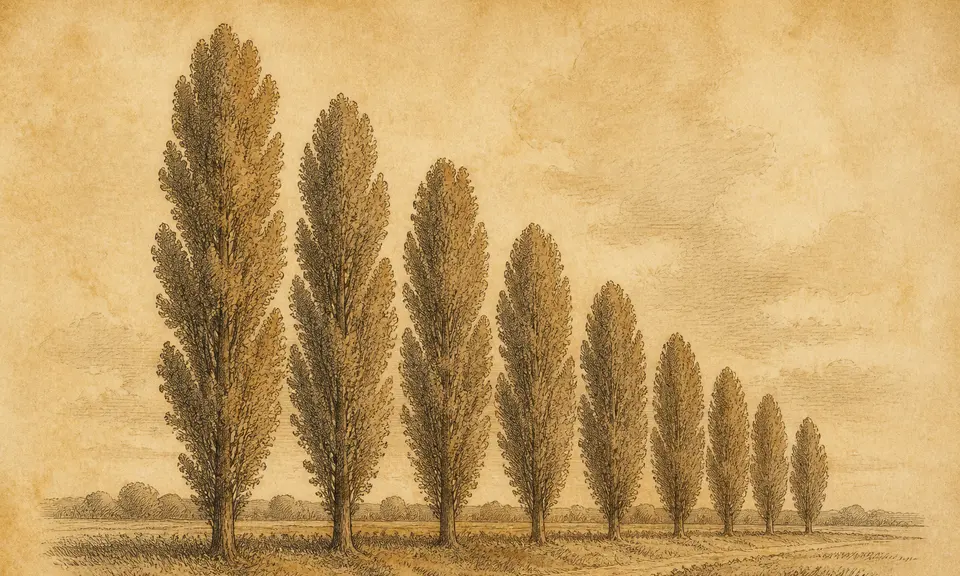
Artemidorus's line on the white poplar is the shortest on any page of this book: the white poplar alone benefits athletes, and that because of Heracles. The whole reason is in the name — the bay belongs to Apollo, the poplar to Heracles, and whoever owns the tree owns what the tree means. To anybody but an athlete, then, the poplar says nothing at all. Miller gives no such reason anywhere and decides by the state of the tree: poplars in leaf or in bloom are an omen of good, and if a young woman stands by her lover beneath the blossoms and leaves of a tulip poplar she will realise her most extravagant hopes, her lover will be handsome and polished, and wealth and friends will be hers; leafless and withered trees bring her disappointments. One book decides by who is dreaming, the other by what state the tree is in.
This paragraph was generated by a model. It sums up the sources above, comes from none of them and is attributed to no one.
The white poplar alone benefits athletes, and that because of Heracles.
Passage Book II, 25
To dream of seeing poplars, is an omen of good, if they are in leaf or bloom. For a young woman to stand by her lover beneath the blossoms and leaves of a tulip poplar, she will realize her most extravagant hopes. Her lover will be handsome and polished. Wealth and friends will be hers. If they are leafless and withered, she will meet with disappointments.