Pelicans mean men without judgement, who do everything heedlessly and without reason; and they mean that the thief and the runaway are near a river or a lake.
Passage Book II, 21
2 readings from 2 sources.
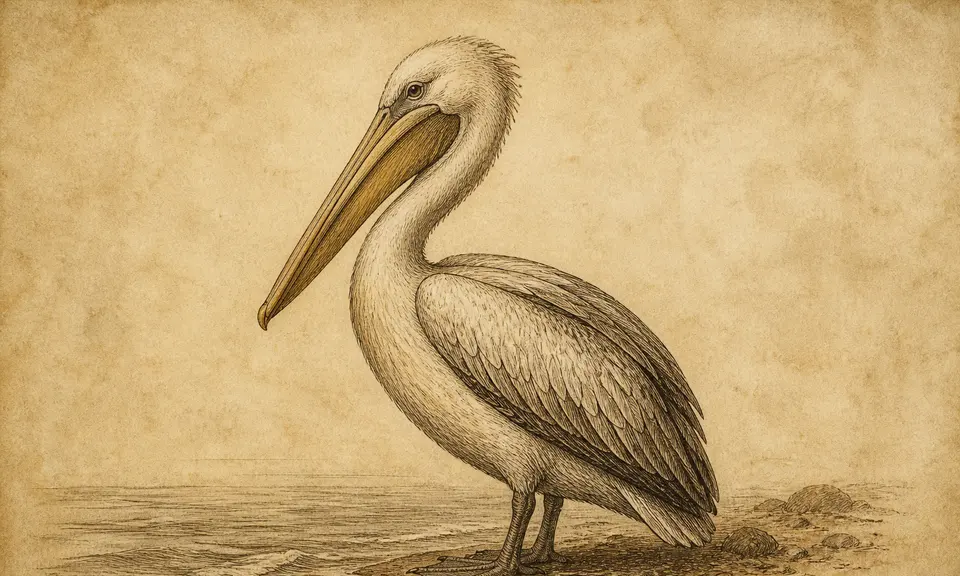
Artemidorus makes pelicans do two things at once, and the second is unusually practical. They mean men without judgement, who do everything heedlessly and without reason — and they also mean that the thief and the runaway are near a river or a lake. That second line is not about the dreamer's character but a direction for where to look. Miller has nothing of the kind and reads a mood: to dream of a pelican denotes a mingling of disappointments with successes, to catch one that you will overcome disappointing influences, to kill one that you will cruelly set aside the rights of others, and to see them flying that you are threatened with changes which will impress you with ideas of uncertainty as to good. One book tells you where the man is; the other how you will feel.
This paragraph was generated by a model. It sums up the sources above, comes from none of them and is attributed to no one.
Pelicans mean men without judgement, who do everything heedlessly and without reason; and they mean that the thief and the runaway are near a river or a lake.
Passage Book II, 21
To dream of a pelican, denotes a mingling of disappointments with successes. To catch one, you will be able to overcome disappointing influences. To kill one, denotes that you will cruelly set aside the rights of others. To see them flying, you are threatened with changes, which will impress you with ideas of uncertainty as to good.