And to parents, because the eyes too are the cause of seeing the light, as parents are; and the loss of them foretells the loss of what is like them.
Passage Book I, 26
2 readings from 2 sources.
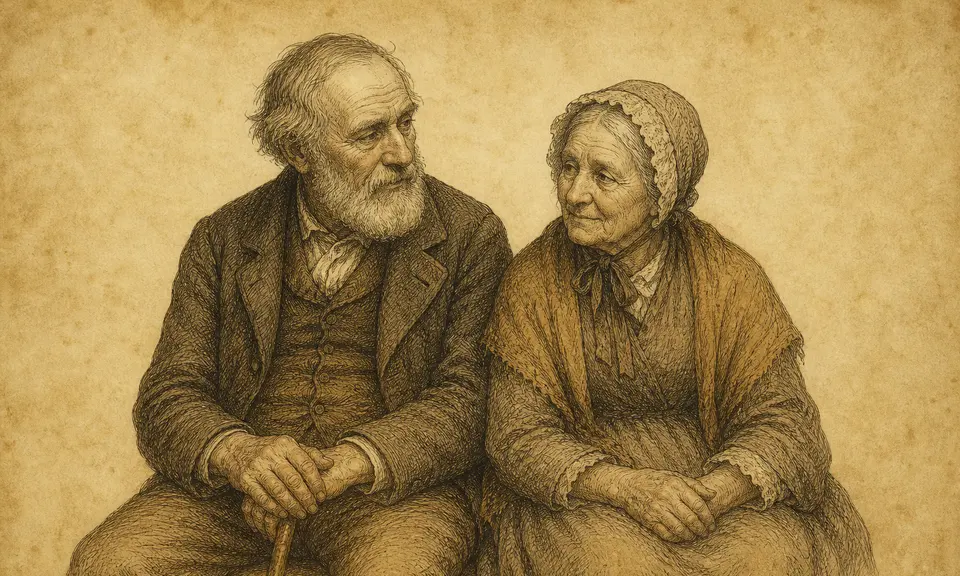
Artemidorus does not come at the parents directly but through blinding, and he explains why that dream touches them in particular: the eyes are the cause of a man's seeing the light, and parents are the same cause — so losing them foretells the loss of what is like them. A parent is, for him, that by which one sees. Miller has no such reading and treats the parents as a scene to be looked at: to see them cheerful means harmony and pleasant associates, to see them in your home and happy means pleasant changes, and to a young woman it usually brings marriage and prosperity; to see them pale and attired in black means grave disappointments. And he has one reading that turns on whether they are still alive: if they appear to the dreamer after they are dead, it is a warning of approaching trouble, and he should be particular in his dealings.
This paragraph was generated by a model. It sums up the sources above, comes from none of them and is attributed to no one.
And to parents, because the eyes too are the cause of seeing the light, as parents are; and the loss of them foretells the loss of what is like them.
Passage Book I, 26
To see your parents looking cheerful while dreaming, denotes harmony and pleasant associates. If they appear to you after they are dead, it is a warning of approaching trouble, and you should be particular of your dealings. To see them while they are living, and they seem to be in your home and happy, denotes pleasant changes for you. To a young woman, this usually brings marriage and prosperity. If pale and attired in black, grave disappointments will harass you. To dream of seeing your parents looking robust and contented, denotes you are under fortunate environments; your business and love interests will flourish. If they appear indisposed or sad, you will find life's favors passing you by without recognition. See Father and Mother.