It is, toward God the Most High in a dream, by the showing of the asking, indicative of the answering of the request for what he hopes for from the people of high rank.
Section letter fa
2 readings from 2 sources.
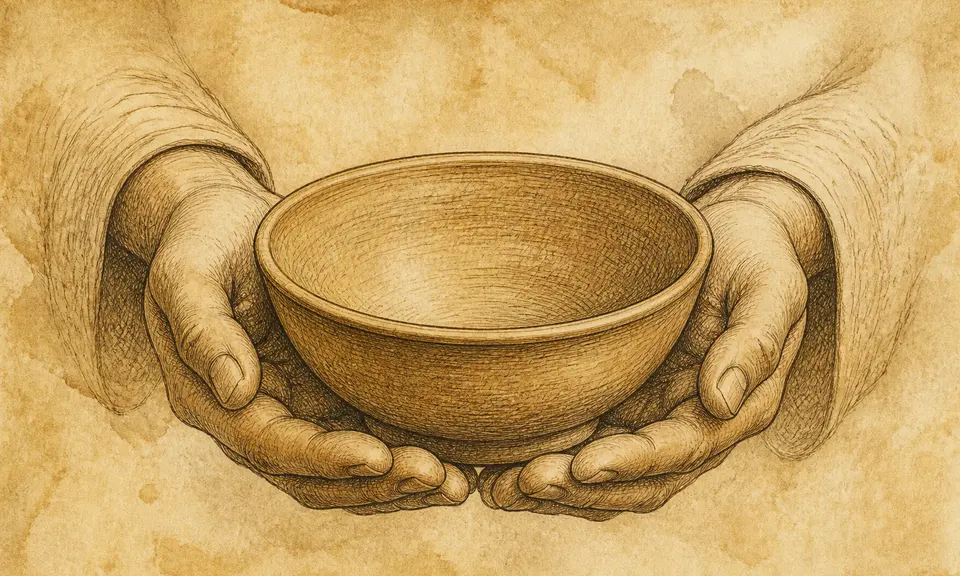
For Miller need is a loss and for an-Nabulsi it is a posture. Miller reads it outward into consequences: to dream that you are in need denotes unwise speculation and distressing news of absent friends that will oppress you, and to see others in need foretells that unfortunate affairs will reach you along with them. Want in the dream means want coming. an-Nabulsi does not read need toward money at all but toward God: shown as the asking, it is indicative of the answering of the request, of what the dreamer hopes for from people of high rank. The same empty hand is in both books. In one it is a warning that it will stay empty; in the other it is the reason it will not.
This paragraph was generated by a model. It sums up the sources above, comes from none of them and is attributed to no one.
It is, toward God the Most High in a dream, by the showing of the asking, indicative of the answering of the request for what he hopes for from the people of high rank.
Section letter fa
To dream that you are in need, denotes that you will speculate unwisely and distressing news of absent friends will oppress you. To see others in need, foretells that unfortunate affairs will affect yourself with others.