Perhaps it points in a dream to daughters who are provided for or married; and perhaps the early morning points to the male child and to the reciters of the Qur'an.
Section letter ba
2 readings from 2 sources.
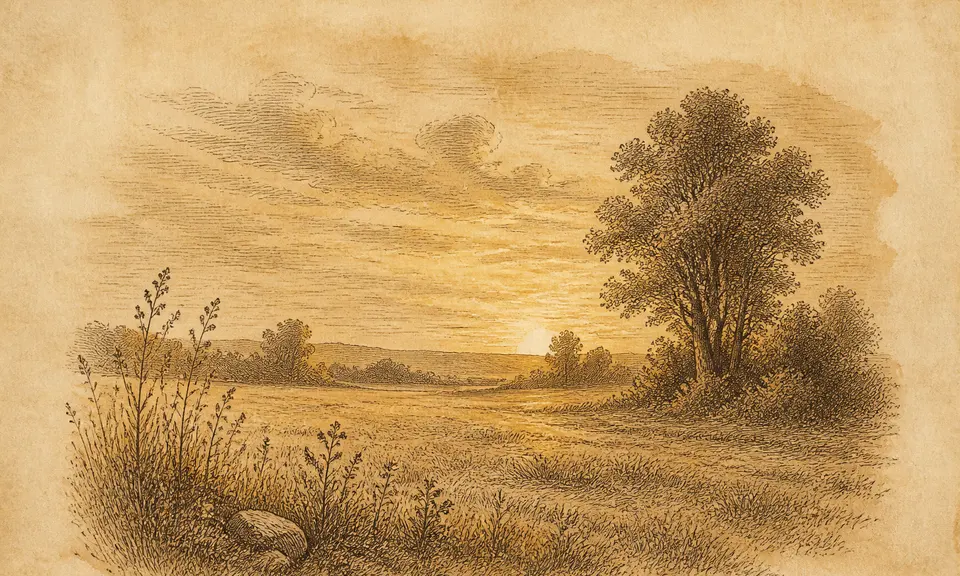
Miller reads the morning by the weather in it: a clear dawn means fortune and pleasure close at hand, a cloudy one means weighty affairs about to overwhelm the dreamer. an-Nabulsi reads the word instead of the sky. The early morning, bukra, points to daughters who are provided for or married, because the word is the one that stands for the firstborn and the virgin; and it points to a male child, and to the men who recite the Qur'an. Where the English book looks up at the light, the Arabic listens to the name of the hour.
This paragraph was generated by a model. It sums up the sources above, comes from none of them and is attributed to no one.
Perhaps it points in a dream to daughters who are provided for or married; and perhaps the early morning points to the male child and to the reciters of the Qur'an.
Section letter ba
To see the morning dawn clear in your dreams, prognosticates a near approach of fortune and pleasure. A cloudy morning, portends weighty affairs will overwhelm you.