The gall means anger and money and a wife.
Passage Book I, 44
2 readings from 2 sources.
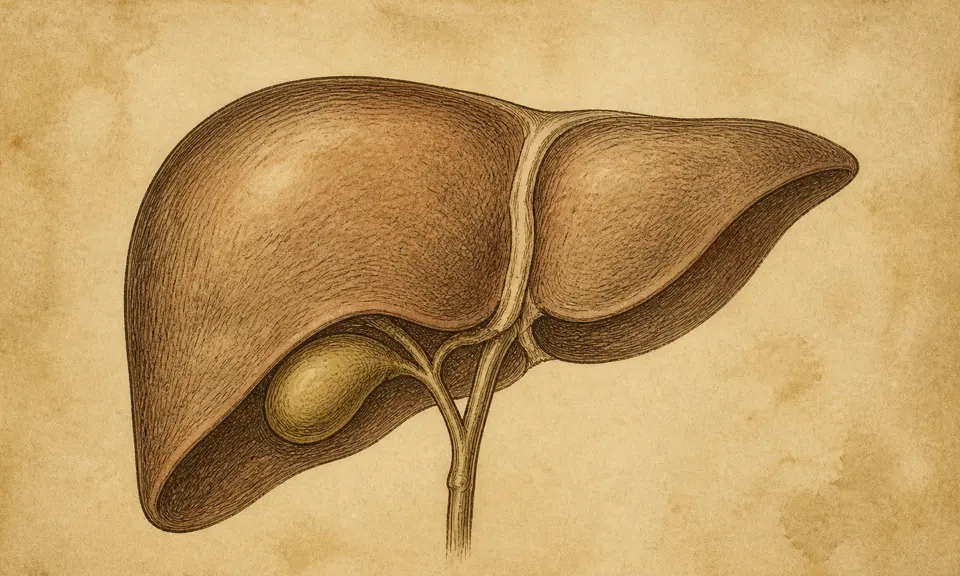
On anger the two books agree, and then each goes its own way. Artemidorus has it in three words: the gall means anger and money and a wife. The Arabic book keeps the anger and adds pleasure, laughter and the instruments in use, but its strangest reading is its own — a person's gallbladder is the keeper of his secret. And it has one long case in which the dream speaks about the man dreaming it: whoever dreamed that he cut a person's gallbladder with his teeth and the man died of it bears him a great grudge; and if the blood came out and the one who cut drank it, he makes that man's wealth lawful for himself through his ignorance and his greed.
This paragraph was generated by a model. It sums up the sources above, comes from none of them and is attributed to no one.
The gall means anger and money and a wife.
Passage Book I, 44
Whoever saw in a dream that he cut a person's gallbladder with his teeth and the man died of it, the one who cut bears him a great grudge. And if his blood came out and the one who cut drank it, he makes his wealth lawful for himself through his ignorance and his greed. And the gall points to anger and to pleasure and to laughter and to the instruments in use; and a person's gallbladder is the keeper of his secret.
Section letter mim