Work left half done signifies complete failure, and does not even grant a beginning.
Passage Book IV
2 readings from 2 sources.
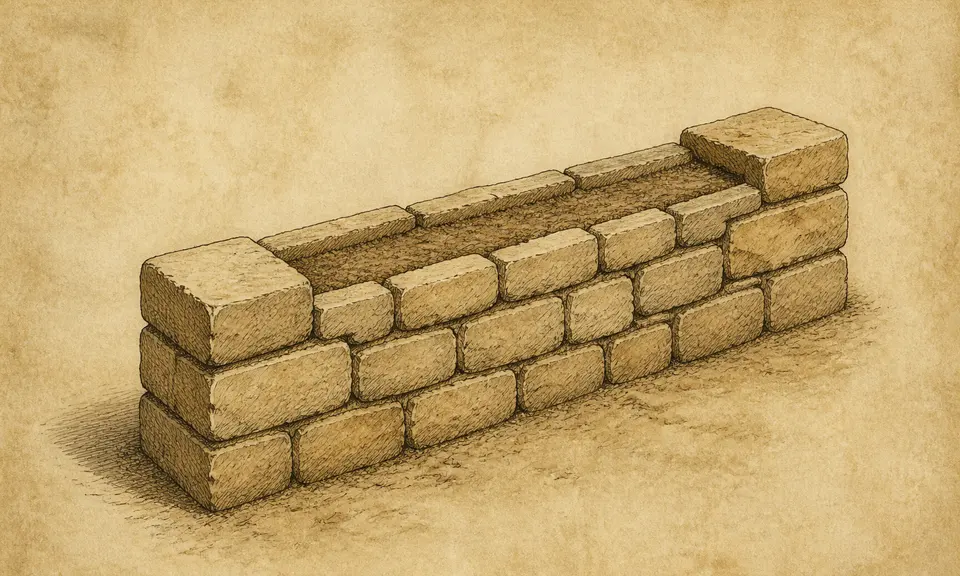
This is one of the motifs where the two books say nearly the same thing, and the interest is in how far each takes it. Artemidorus is absolute: work left half done signifies complete failure, and does not even grant a beginning. an-Nabulsi reaches the same verdict in three steps — deficient work points to idleness, and in the positions of leadership to their not being brought to completion, and it points to despair of what is hoped for — and then he does the thing the Greek book does not: he states the other half, and complete work points in a dream to life. The agreement is close enough that the difference shows plainly. The Greek reading denies the dreamer even the beginning he thought he had; the Arabic one, having said the same of the unfinished, puts the whole of life on the other side of finishing.
This paragraph was generated by a model. It sums up the sources above, comes from none of them and is attributed to no one.
Work left half done signifies complete failure, and does not even grant a beginning.
Passage Book IV
In a dream it points to idleness, and in the positions of leadership to their not being brought to completion, and it points to despair of what is hoped for. And complete work points in a dream to life.
Section letter ayn