Someone giving you combs: you will get a beautiful concubine.
Section Mirrors, rings, hairpins, bracelets and combs
5 readings from 2 sources.
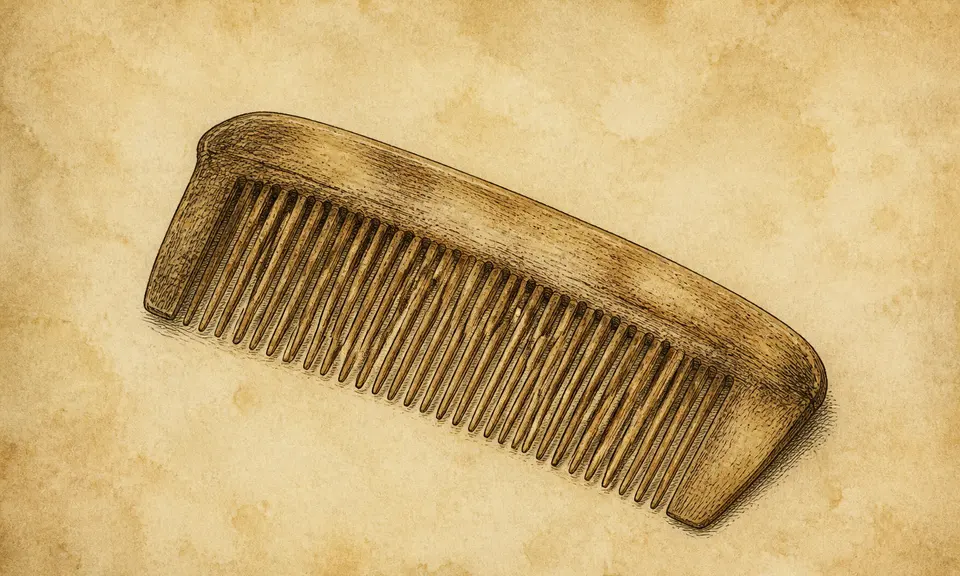
Both books make the comb a marriage. The Duke of Zhou has somebody giving you combs and a beautiful concubine following; an-Nabulsi gives the unmarried woman a husband and the unmarried man a noble woman patient under toil. The Arabic reading is also the only place in this corpus where a source stops to point at another of its own readings — it says the comb-case means what the comb means, as we shall mention — so the reader is being sent on to another reading rather than answered on the spot.
This paragraph was generated by a model. It sums up the sources above, comes from none of them and is attributed to no one.
Someone giving you combs: you will get a beautiful concubine.
Section Mirrors, rings, hairpins, bracelets and combs
An ivory or wooden comb: old affairs are all gone.
Section Mirrors, rings, hairpins, bracelets and combs
Seeing a fine-toothed comb: a person of rank will lift you up.
Section Mirrors, rings, hairpins, bracelets and combs
Obtaining a fine-toothed comb: a beautiful woman arrives.
Section Mirrors, rings, hairpins, bracelets and combs
In a dream it points to what the comb points to, as we shall mention; and for the unmarried woman it is a husband, and for the unmarried man a noble woman patient under toil.
Section letter mim