It in a dream points to the servant, and to wealth, and to protection from hateful things; and if there is a weapon with him, then it is protection from enemies.
Section letter kha
2 readings from 2 sources.
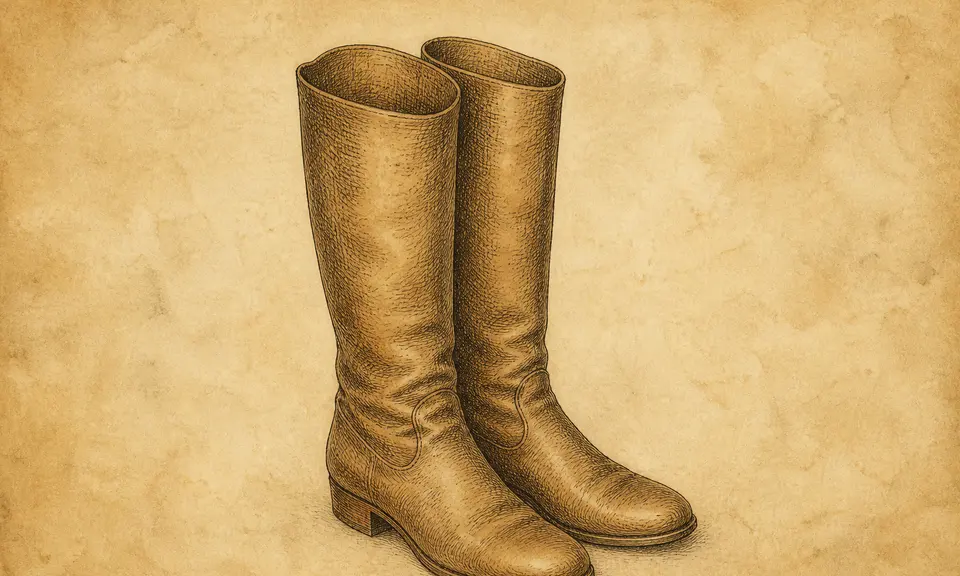
Miller reads the boots by their condition, an-Nabulsi by what they are for. For Miller, seeing his boots on another means his place will be usurped in his sweetheart's affections; new boots mean luck in his dealings, and bread winners will command higher wages; old and torn boots mean sickness and snares ahead. The boot is a possession and a position, and losing either is the same loss. an-Nabulsi does not look at the leather at all. The boot points to the servant, to wealth, and to protection from hateful things — and then one condition, which is not wear but company: if there is a weapon with him, it is protection from enemies. One book asks whose feet are in them; the other asks what is walking beside them.
This paragraph was generated by a model. It sums up the sources above, comes from none of them and is attributed to no one.
It in a dream points to the servant, and to wealth, and to protection from hateful things; and if there is a weapon with him, then it is protection from enemies.
Section letter kha
To see your boots on another, your place will be usurped in the affections of your sweetheart. To wear new boots, you will be lucky in your dealings. Bread winners will command higher wages. Old and torn boots, indicate sickness and snares before you.